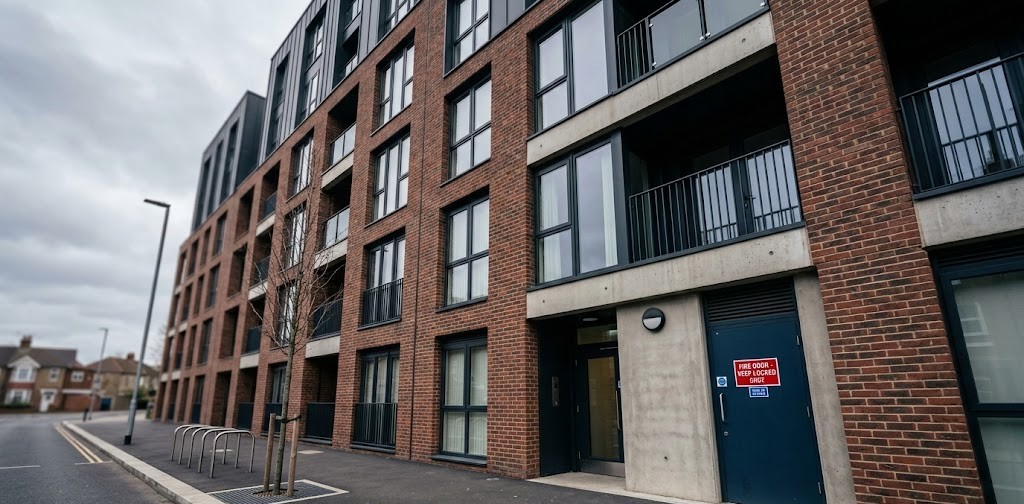
Fire safety laws are necessary to ensure that buildings are safe, both during construction and after occupation. With the advent of 2025, new laws have been implemented to improve fire prevention strategies as well as increase safety standards. These reforms cross different areas, including fire stopping companies UK, fire risk assessment London, and passive fire protection.
Changes in Passive Fire Protection Standards
Passive fire protection (PFP) systems are intended to slow or prevent the spread of fire within a building. They are part of the building design and include features such as fire-resistant walls, doors, and ceilings.
Here is the news for 2025:
- Stronger Materials Standards: The fire-resistant materials used in construction now face stricter testing. Fire-rated products must be able to withstand more heat for longer periods of time so that they can still perform as expected during a fire.
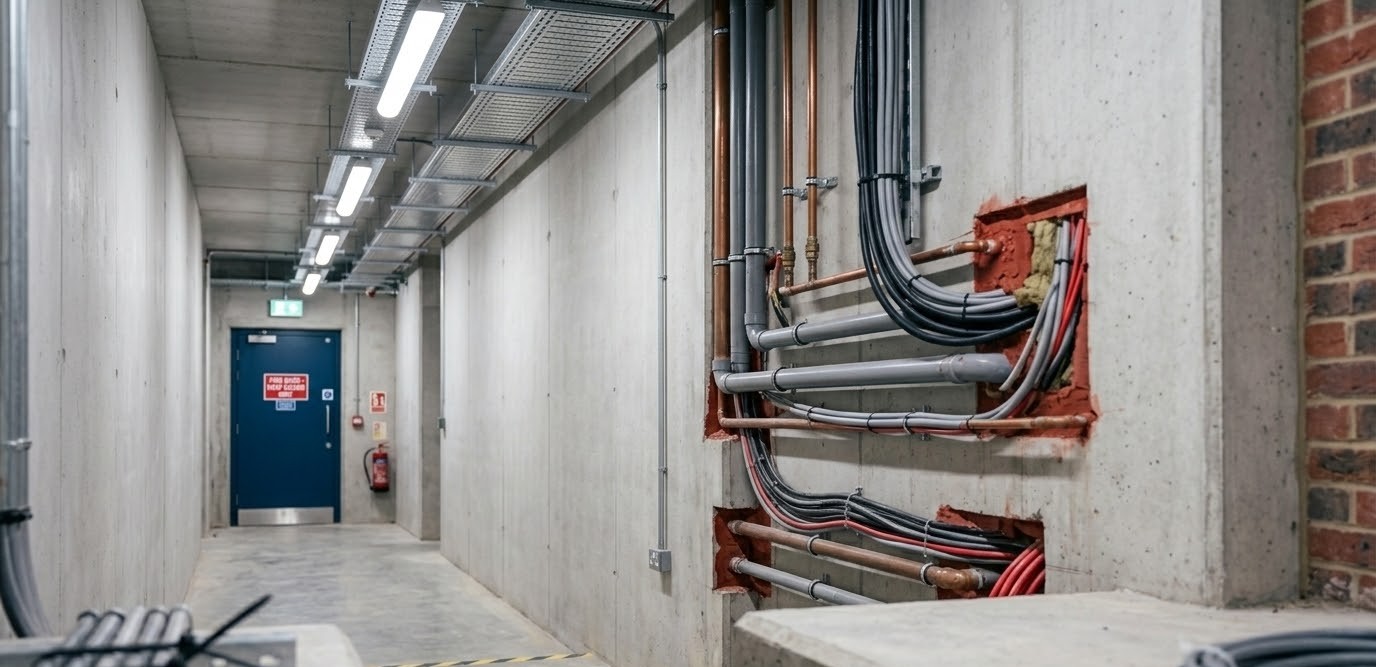
- Installation Precision: Installation quality matters more. Any small gap within a fire barrier is a vulnerability point. Fire-stopping firms UK now need to install barriers with more care so that there is no gap at all around pipes, cables, or ducts.
- Integrated Systems: The passive fire systems are now also expected to work in harmony with active fire systems, e.g., sprinklers and alarms. This collaboration provides an enhanced fire safety measure.
These enhancements assist in ensuring that the fire supply barriers provide even greater security, slowing down the movement of fire and giving the building users greater time to evacuate.
Enhanced Fire Risk Assessment Procedures
Risk assessments are applied to identify the existing hazards in a building and verify that all precautions are being adopted. The new rules for 2025 call for more detailed and thorough risk assessments.
Some of the most significant updates are:
- Deep Risk Analysis: The new fire risk assessments also look beyond identifying obviously visible risks. They should include possible threats posed by new technology, such as smart systems or complex electrical designs.
- Evacuation Plans for Everyone: New law demands that evacuation routes are accessible to all, including the disabled. Fire risk assessments should take these into account to allow all building occupants to leave safely in the case of a fire.
- Continuous Updates: Periodic reviews are required for the fire risk assessments, especially in the event of changes to the building’s use or design. Keeping them up to date will ensure you remain compliant and ensure safety.
By following this process with updated guidelines, you can make the area safer with respect to adjusting to evolving measures in protecting against fires.

Fire Stopping Companies UK: New Requirements
Fire stopping refers to the closure of gaps in a building structure to prevent the spread of fire and smoke. Fire-stopping companies in the UK play a critical role in ensuring the proper installation and maintenance of such barriers.
The most important changes to fire stopping regulations are:
- No Loose Ends: Fire-stopping businesses must now have higher installation standards. Even the narrowest crack in fire barriers provides enough scope for smoke and flames to intrude. So, fire stopping has to be precise and correct.
- Regular Health Check-Ups and Certificates: Regularly running fire stopping systems must be examined, and the businesses should certify that the system is operational. This is an assurance that the fire barriers will remain effective in the years to come.
- Trained Professionals: Fire stopping contractors must undergo improved training standards to ensure that they are qualified to handle the more stringent installation and maintenance requirements.
Such improvements ensure that fire stopping systems perform more effectively, improving the overall fire security of buildings.
(FAQS) Frequently asked questions
1. What is passive fire protection?
It involves the use of fire-resistant materials (e.g., walls, doors, and floors) to confine fire and prevent it from spreading to other parts of the building.
2. Why do I need a fire risk assessment?
Fire risk assessments identify possible hazards and guarantee that your building is equipped with sufficient safety devices to protect people and property during a fire.
3. How do fire stopping companies in the UK assist with fire safety?
They repair fire-stopping barriers which prevent gaps in a building so fires and smoke are not permitted through walls, floors, or ceilings.
For Fire Protection Solutions: Contact us today for expert advice and assistance with your fire protection needs.