As a business owner or building manager in the UK, it’s your responsibility to fiensure that your property complies with fire safety regulations. The implications of failing to meet these regulations can be serious, including fines and, most importantly, compromising the safety of those who work or live in your building.
Understanding Fire Safety Regulations
In the UK, fire safety legislation is enforced to render each commercial property fire-free from threats. The most notable legislation is the Fire Safety Order 2005, and it requires any business or non-domestic property to ensure their workers, customers, and visitors are protected from fire hazards.
The main steps for complying with these legislations are:
Fire Risk Assessment: You must carry out a fire risk assessment under the law. It establishes the fire risks on your premises and sets out how the risks are to be minimised. It is advisable to take a glance and update your risk assessment occasionally.
Fire Safety Equipment: Your property must be well equipped with fire safety equipment. The fire safety equipment must include fire alarms, emergency lighting, fire extinguishers, and evacuation routes. The fire safety equipment must be well maintained and always in reach.
Training and Emergency Procedures: It is also required to provide fire safety training to the building occupants as well as workers. All of them must have an understanding related to emergency evacuation procedures and operation of fire safety equipment effectively.
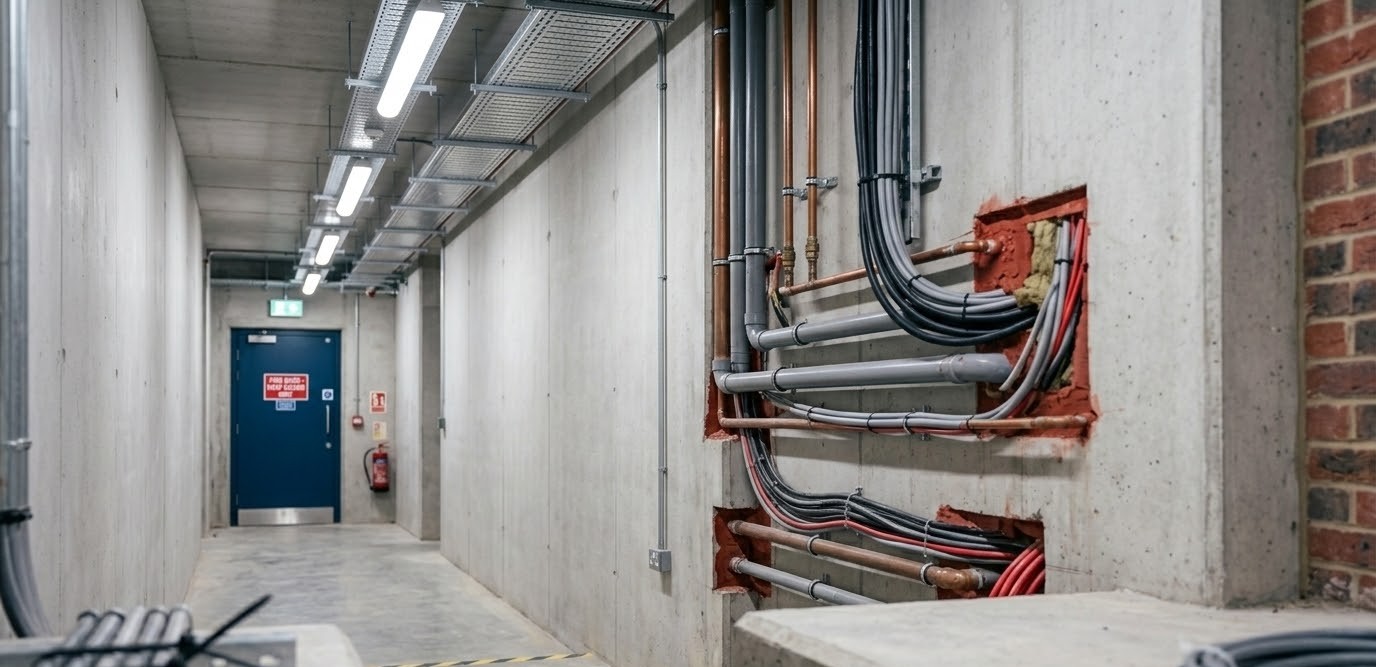
Another essential element of fire safety is the provision of fire stopping services. Fire stopping services limit the passing of fire and smoke through ceiling, wall, and floor openings and gaps. Fire stopping services are required so that your fire protection system may maintain its integrity.
The Role of Passive Fire Protection
Passive fire protection are building components specifically engineered to hinder or even stop the advancement of fire. Passive fire protection work automatically and do not require the involvement of individuals in order to function. The use of passive fire protection is one key measure towards keeping up with fire safety regulations.
The most significant components of passive fire protection are:
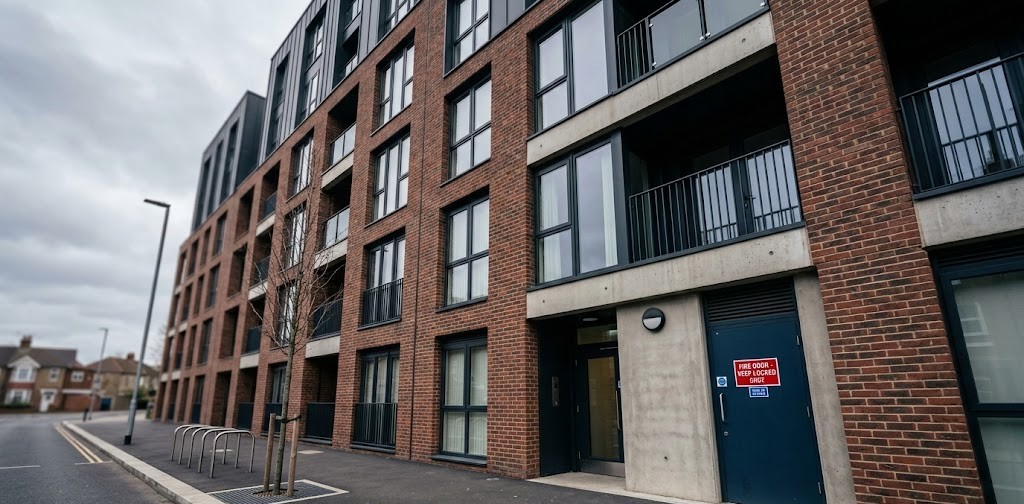
Fire Doors: These are specially designed doors that help to contain fire and prevent it from spreading. Fire doors should be installed in critical parts of the building, including corridors and staircases.
Fire-Resistant Walls: Fire-resistant walls or partitions separate the building to contain fire and smoke in a given area so that it does not reach other parts of the building.
Fire-Resistant Materials: The materials used in your building’s construction should be fire-resistant. Fire-resistant glass, cladding, and insulation can enhance the general safety of your property.
Ventilation and Smoke Control: Passive fire protection systems also include smoke control and ventilation components, which limit the spread of smoke in a fire, giving people more time to escape.
Working with Experts for Fire Stopping Services
To ensure your building is as safe as possible, you need to factor in fire stopping services. Fire stopping refers to the process of filling openings, joints, and gaps in floors and walls, especially where there are pipes, cables, and ducts. They are too often overlooked but are very important in preventing the spread of fire.

Here are reasons why you need professional fire stopping services:
Regulatory Compliance: Fire stopping will ensure that your building adheres to fire safety regulations and standards as mandated. Fire stopping materials in line with proper regulations will render your building safe from fire.
Limiting Fire Spread: Openings in your building frame can act as conduits for fire and smoke to travel. Fire stopping closes these openings and blocks fire from spreading to other spaces, allowing occupants more time to evacuate.
Professional Installation: Professional fire stopping installation ensures all fire stopping solutions are correctly installed. Incorrect installation can lead to weak protection, which could imply your building isn’t fire safety compliant.
Having professional fire stopping services installed, you can rest assured that your building is safe and UK fire safety compliant.
(FAQs) Frequently Asked Questions
1. How often should my business carry out a fire safety audit?
Most businesses require carrying out a full audit annually. However, if you have made considerable alterations in the business or building, you should book an audit sooner.
2. What is fire safety compliance testing?
Fire safety compliance testing inspects all the fire prevention equipment, including alarms and sprinklers, to determine that they meet the requirements of the law and are in impeccable working condition.
3. Are commercial fire doors that important?
Yes. Commercial fire doors can stop fire and smoke spreading, giving people time to get out safely and minimising damage to property.
Contact Us for Fire Safety Solutions
At Zyan Fire Protection, we provide expert fire stopping services, passive fire protection London, and other fire safety services. Contact us directly, and rest assured, your building is up to all fire safety standards and remains safe. Book your consultation today and begin protecting your property.