Modern buildings are designed with efficiency, aesthetics, and comfort in mind, but safety remains a crucial priority. One key aspect of building safety that is often overlooked is fire compartmentation. Effective fire compartmentation helps protect occupants, property, and ensures compliance with UK fire regulations. In this article, we explore how fire compartmentation works, why it matters, and how Zyan Fire Protection can help keep your property safe.
What is Fire Compartmentation?
Fire compartmentation is the practice of dividing a building into sections, or compartments, using walls, floors, ceilings, and fire barriers that resist the spread of fire and smoke. Each compartment is designed to contain a fire within a defined area, slowing its progression and giving occupants more time to evacuate safely.
This approach is a cornerstone of passive fire protection, a strategy that focuses on preventing fire and smoke spread rather than actively extinguishing it. When implemented correctly, compartmentation can significantly reduce the risk of structural damage and minimise danger to people.
Key Components of Fire Compartmentation
Fire compartmentation relies on a combination of methods and materials to be effective. Key components include:
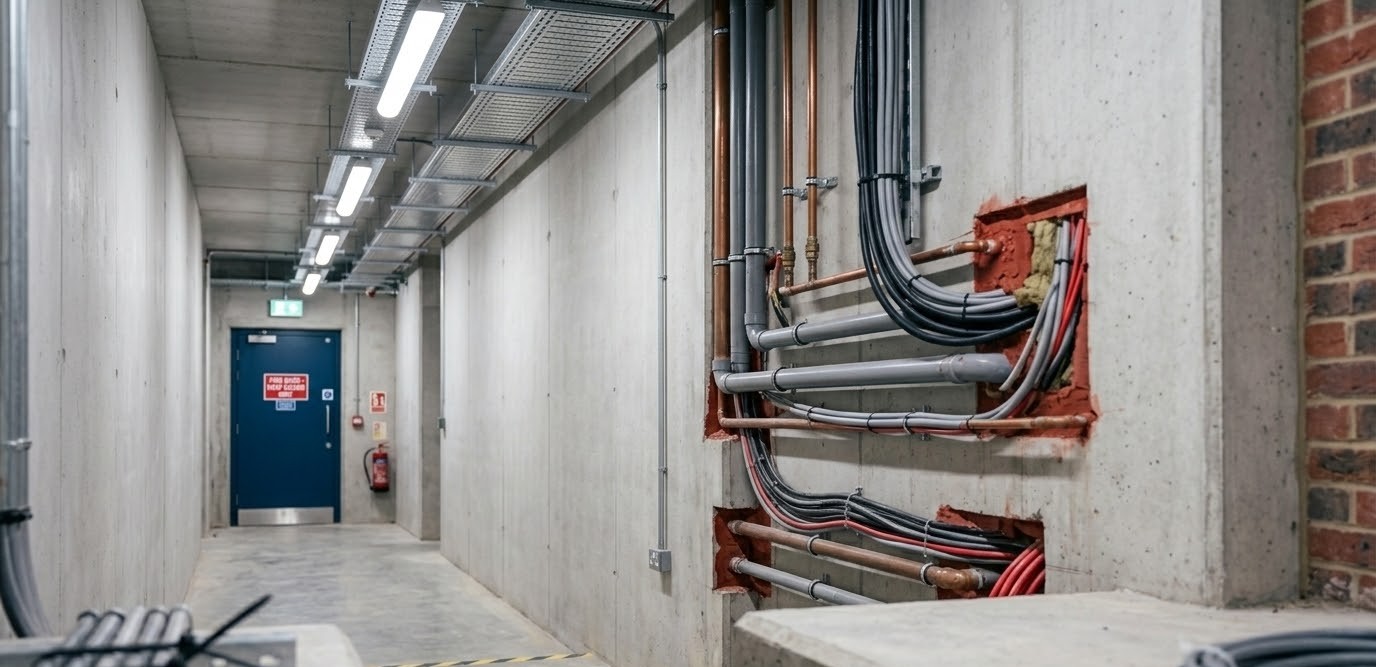
- Fire stopping: Sealing joints, gaps, and penetrations around cables, pipes, and ducts to prevent fire and smoke movement between compartments.
- Fire barriers: Installing vertical and horizontal barriers, including cavity barriers and slab edge protection, to maintain compartment integrity.
- Fire resistance materials: Using high-quality materials such as intumescent sealants, fire-rated mortars, and wraps to provide durable fireproofing.
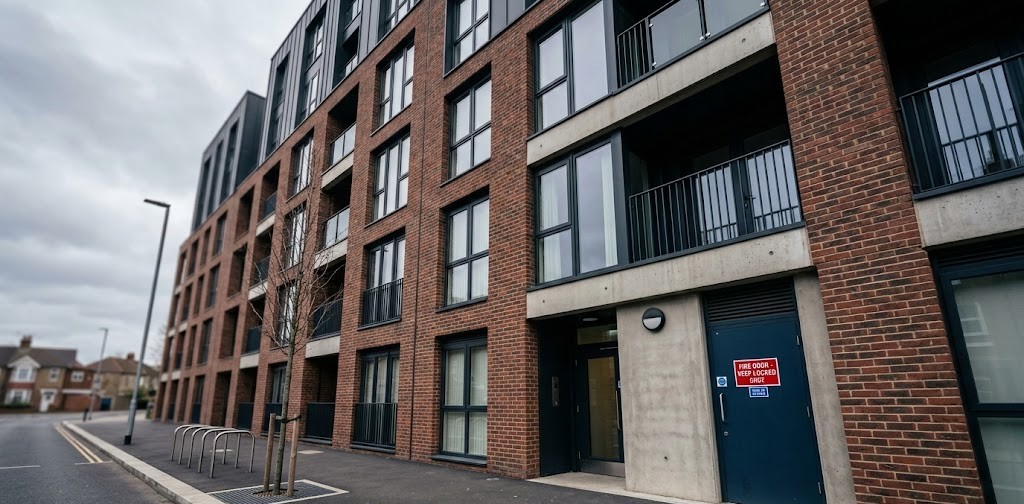
- Fire doors: Ensuring doors between compartments are compliant, correctly installed, and regularly inspected.
Each component plays a vital role in maintaining a building’s fire strategy and ensuring that compartmentation is fully effective.
Why Fire Compartmentation Matters
Fire compartmentation offers several critical benefits for both building owners and occupants:
- Protects lives by containing fire and smoke within a defined area
- Reduces property damage and prevents fire from spreading rapidly
- Supports fire strategy compliance for insurers and building control
- Helps maintain structural integrity during a fire event
- Enhances safety in high-risk areas such as healthcare facilities, residential blocks, and industrial buildings
Without proper compartmentation, even a small fire can quickly escalate, causing extensive damage and endangering lives.
Common Challenges in Fire Compartmentation
Implementing effective fire compartmentation is not without its challenges. Common issues include:
- Poorly sealed penetrations allowing fire to bypass barriers
- Use of substandard or inappropriate fire resistance materials
- Lack of regular inspections and maintenance
- Compartmentation not aligned with the building’s overall fire strategy
Professional assessment and installation are crucial to overcome these challenges and ensure your property remains compliant and safe.
Why Choose Zyan Fire Protection
Zyan Fire Protection has built a reputation for delivering expert fire stopping, passive fire protection, and compartmentation services across London and the UK. Here’s why they are the trusted choice:
- BM TRADA-certified installers with extensive experience
- Independent advice without manufacturer bias
- Fast one-day turnaround on quotes and responsive service
- Full documentation including certificates, reports, and fire strategy support
- Expertise in sensitive environments including healthcare, residential, and commercial buildings
Their end-to-end solutions ensure that fire compartmentation is installed correctly, maintained effectively, and fully compliant with UK Building Regulations Part B.
Conclusion
Fire compartmentation is an essential part of modern building safety, combining fire stopping, fire barriers, and fire resistance materials to contain fire and smoke. Implementing proper compartmentation protects lives, reduces damage, and ensures compliance with fire strategies and regulations. By working with certified experts like Zyan Fire Protection, building owners and managers can have confidence in their property’s safety.
Frequently Asked Questions
What is the difference between active and passive fire protection?
Active fire protection includes systems that respond to fire such as sprinklers or alarms. Passive fire protection, like fire compartmentation, prevents the spread of fire and smoke without human intervention.
How often should fire stopping and compartmentation be inspected?
Regular inspections are recommended, typically every 6–12 months, depending on the building type and risk level. Certified professionals can provide detailed reports and maintenance schedules.
Can fire compartmentation be added to existing buildings?
Yes, retrofit solutions are available. Experienced contractors can assess your property, identify gaps, and install fire stopping, barriers, and other passive fire protection measures to bring the building up to standard.
For professional fire stopping, fire barriers, and full passive fire protection solutions, contact Zyan Fire Protection today to book a site survey or request a one-day quote. Protect your property and comply with regulations with certified expertise you can trust.