Ensuring your building meets fire safety standards is essential for protecting lives, property, and compliance with UK regulations. At Zyan Fire Protection, we understand that the prospect of a fire safety survey can feel daunting.
Whether you are a facilities manager, housing association, or property developer, our certified team is here to guide you through the process clearly and confidently. In this article, we explain what to expect during a site survey, the steps involved, and how our team helps maintain your building’s fire safety.
Understanding the Purpose of a Fire Safety Survey
A fire safety survey is a thorough assessment of your building’s passive fire protection measures. This includes fire stopping, fire barriers, and compartmentation systems that prevent the spread of fire and smoke. These surveys are essential for:
- Verifying compliance with Building Regulations, particularly Part B
- Identifying gaps or breaches in fire-rated walls, floors, and ceilings
- Ensuring fire compartmentation remains effective in emergency situations
- Providing documented evidence for insurers, landlords, or regulatory bodies
At Zyan Fire Protection, our surveys are not just a checklist. We provide professional guidance on compliance, highlight potential risks, and offer practical solutions to ensure your property is fully protected.
What Happens During a Fire Stopping Survey
A fire stopping survey is a detailed inspection that focuses on how well your building’s fire-stopping measures prevent the spread of fire and smoke. Here is what you can expect during a typical survey:
Initial Assessment
Our team begins with a comprehensive review of your building, examining construction plans, previous fire strategy reports, and existing fire stopping installations. We aim to understand the unique layout and fire safety requirements of your property.
Physical Inspection
During the physical inspection, we check:
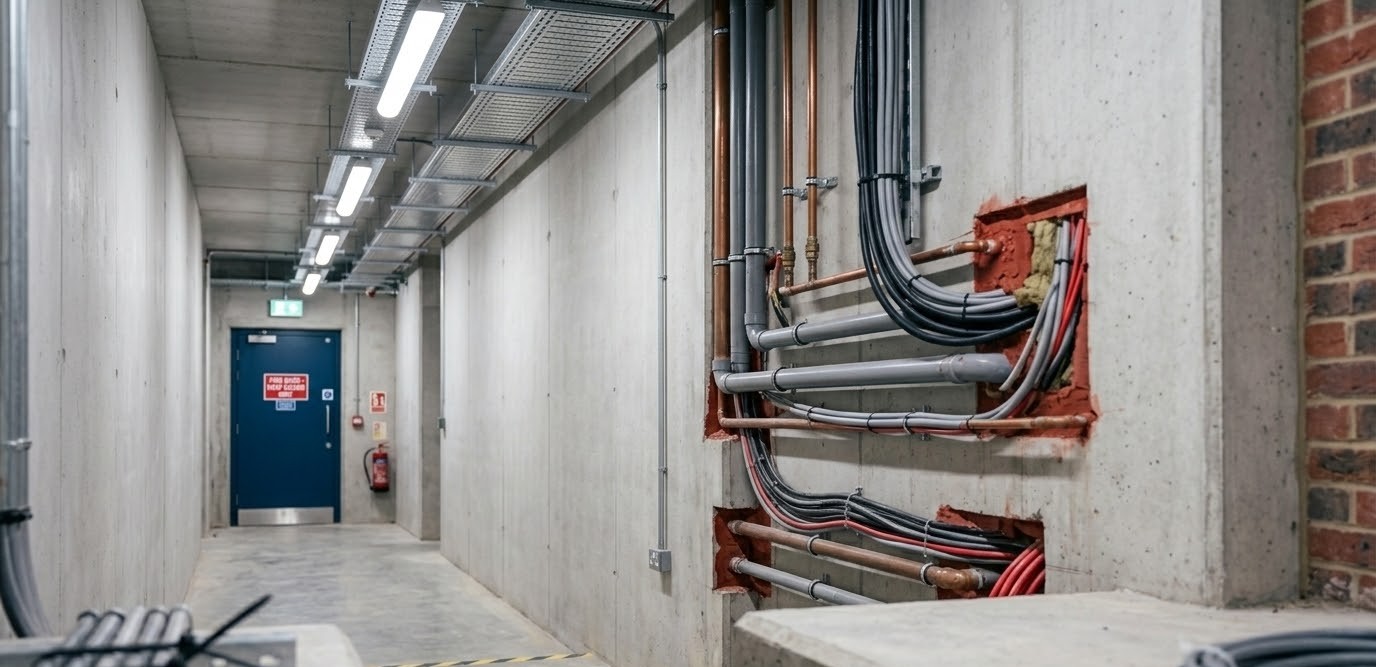
- Penetrations such as pipework, cabling, and ducts for correct fire-stopping materials
- Linear gaps and construction joints that may compromise fire compartmentation
- Fire doors, barriers, and cavity protection for correct installation and performance
This stage allows us to identify any potential breaches, damaged installations, or areas that require remedial work.
Detailed Documentation
After the inspection, we prepare clear and structured documentation including:
- Annotated floor plans showing fire-stopping locations
- Photographic evidence of areas assessed
- Reports on compliance and any recommended actions
This documentation supports ongoing compliance, building control audits, and future maintenance planning.
Conducting a Compartmentation Survey
A compartmentation survey is a specialised form of fire safety survey. It assesses whether fire compartments are intact and whether fire barriers effectively contain smoke and flames. During a fire compartmentation survey, our team focuses on:
- Confirming that fire-rated walls, floors, and ceilings are continuous and unbroken
- Checking cavity barriers and perimeter fire protection for proper sealing
- Identifying breaches caused by retrofitting or unauthorised service penetrations
Compartmentation surveys are particularly important in larger commercial, residential, or healthcare buildings where multiple fire compartments are required to maintain occupant safety and regulatory compliance.
Why Zyan Fire Protection is the Best Choice
Selecting the right fire safety partner ensures your building is not only compliant but genuinely safe. Zyan Fire Protection offers:
- Certified and experienced contractors holding BM Trada certification
- Independent advice, free from manufacturer bias, focusing solely on your building’s safety
- Tailored solutions for commercial, residential, healthcare, and social housing projects
- Full documentation and fire strategy support to satisfy regulatory and insurance requirements
- Rapid, professional service that minimises disruption to building occupants
Our approach is transparent, approachable, and compliance-focused. Clients trust us to provide expert guidance and actionable recommendations, whether for a new build, refurbishment, or remedial works.
Preparing for Your Survey
To make the most of your fire stopping survey, it helps to:
- Provide access to plans, previous fire strategy reports, and any relevant compliance documents
- Identify key areas of concern or recent alterations to the building
- Notify occupants if inspections will involve sensitive areas
Our team works efficiently to ensure minimal disruption while delivering maximum insight into your building’s fire safety performance.
Conclusion
A fire stopping survey or fire compartmentation survey is an essential step in protecting lives, property, and ensuring regulatory compliance. Zyan Fire Protection provides thorough, expert fire safety surveys tailored to your building’s needs.
From initial assessment to detailed reporting, our certified team delivers transparency, expertise, and actionable guidance to help you maintain effective fire compartmentation and peace of mind.
FAQs
What is included in a fire safety survey?
A fire safety survey evaluates all passive fire protection measures, including fire stopping, barriers, compartmentation, and fire doors. The survey identifies breaches or non-compliant areas and provides clear documentation for regulatory compliance.
How often should a compartmentation survey be carried out?
Compartmentation surveys should be conducted regularly, especially after refurbishments, changes to services, or updates to fire strategy. This ensures fire barriers and compartmentation remain effective and compliant with UK regulations.
Do I need a fire stopping survey for older buildings?
Yes. Older buildings may have degraded or non-compliant fire-stopping measures. A fire stopping survey identifies risks and provides actionable solutions to bring your building up to current safety standards.
Ensure your property is fully protected and compliant. Book a free site survey or consultation with Zyan Fire Protection today and safeguard your building with expert fire safety solutions.