Fire safety measures are only effective when every element of a building performs as intended. Over time, alterations, damage, poor workmanship, or ageing materials can compromise essential protection without being immediately visible. This is where remedial fire works become critical.
Whether identified during inspections, refurbishment projects, or routine maintenance, defects should never be viewed as minor issues. Even a small gap around a service penetration or damaged barrier can allow fire and smoke to spread rapidly throughout a building.
Understanding when remedial works are required and how to prioritise them helps building owners, facilities managers, contractors, and responsible persons maintain fire safety compliance while protecting occupants and property.
What Are Remedial Fire Works?
Remedial fire works involve repairing, replacing, or upgrading existing passive fire protection measures that no longer meet current standards or have been compromised.
These works are often required after inspections identify defects such as damaged fire stopping, poorly sealed service penetrations, deteriorated materials, or changes made during refurbishment projects.
The objective is not simply to repair visible damage. It is to restore the building’s ability to contain fire and smoke, helping occupants evacuate safely while limiting damage to the structure.
Common Reasons Remedial Works Are Required
Many fire protection issues develop gradually or occur after other trades have completed work within a building.
Common examples include:
- New cables, pipes or ductwork installed without suitable fire stopping.
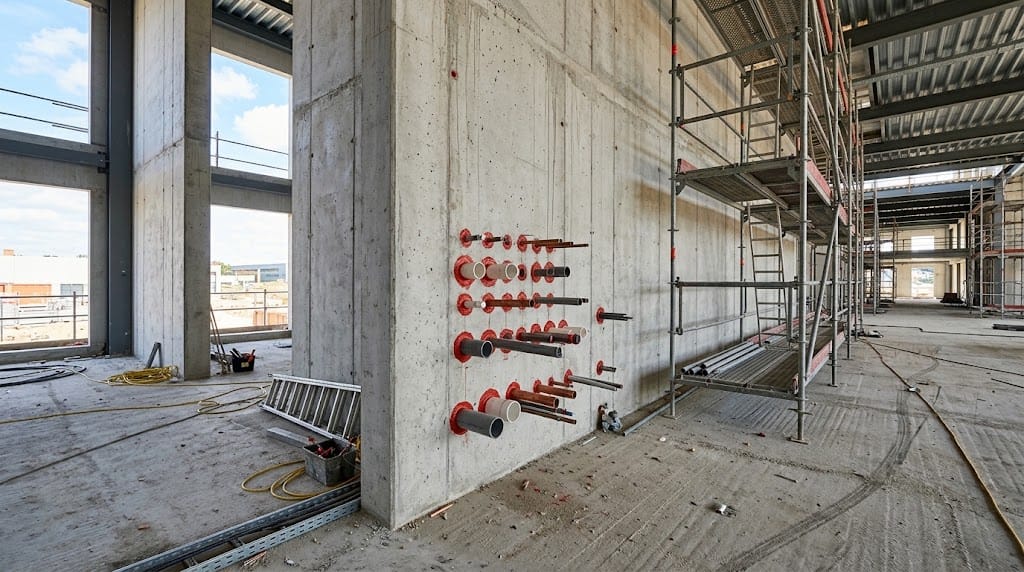
- Damaged or missing seals around service penetrations.
- Poor quality historical installations that no longer meet current standards.
- Building alterations that have compromised compartment walls or floors.
- Ageing fire protection products that have deteriorated over time.
- Defects identified during inspections or maintenance programmes.
These issues may appear insignificant individually, but together they can seriously reduce the effectiveness of a building’s fire protection strategy.
Why Prioritisation Matters
Not every defect presents the same level of risk. While all identified issues should eventually be addressed, some require immediate attention because they significantly increase the likelihood of fire and smoke spreading.
A structured approach allows organisations to focus resources where they will have the greatest impact while maintaining legal responsibilities.
Priority should be based on factors such as:
- The location of the defect.
- The level of risk to occupants.
- The type of building and its use.
- The condition of existing protection.
- Recommendations within the building’s fire risk assessment.
- Current Building Regulations and applicable guidance.
This approach helps ensure that remedial works are planned efficiently without overlooking critical safety concerns.
High Priority Defects That Need Immediate Attention
Certain defects should be addressed as soon as they are identified because they directly affect fire compartmentation and occupant safety.
Examples include:
- Large unsealed service penetrations through fire-rated walls or floors.
- Missing or damaged fire barriers.
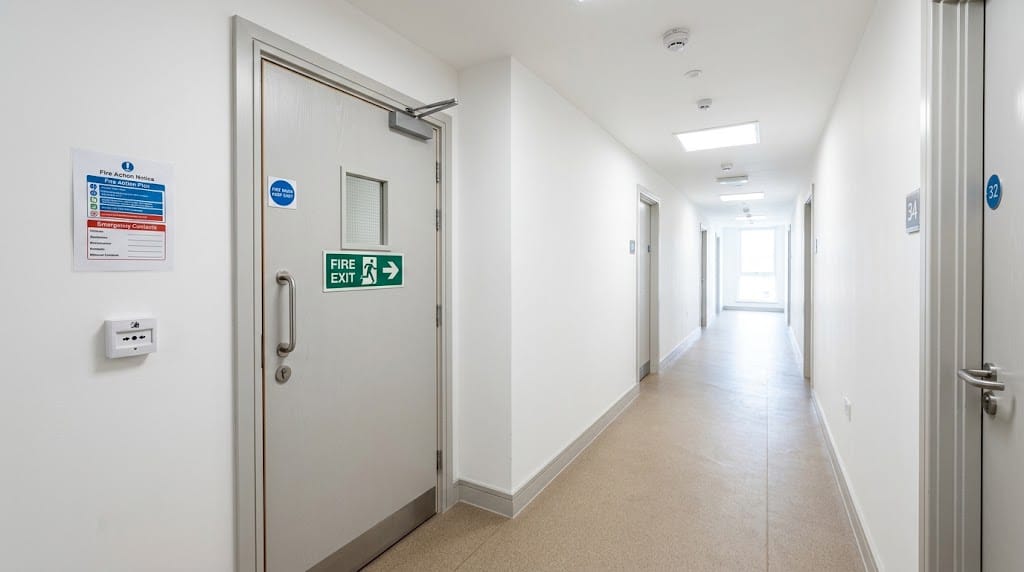
- Defective fire doors that cannot close correctly.
- Significant breaches in escape routes.
- Missing protection around structural elements where fire resistance is required.
These issues can allow fire and smoke to spread rapidly between compartments, reducing evacuation time and increasing the potential for property damage.
Medium Priority Defects
Some issues may not require emergency repairs but should still be programmed promptly.
Examples include:
- Minor damage to fire stopping systems.
- Deteriorating sealants approaching the end of their service life.
- Small defects identified during planned maintenance.
- Areas requiring upgrades following changes to building use.
Scheduling these repairs early prevents minor problems from becoming major compliance issues later.
The Importance of Fire Compartmentation
Effective fire compartmentation forms the foundation of a building’s passive fire strategy.
Walls, floors, ceilings, barriers, and fire-resistant seals work together to divide a building into separate compartments. If one of these elements fails, fire and smoke can travel far more quickly than intended.
Every new service penetration, refurbishment, or maintenance project should be assessed carefully to ensure compartment lines remain intact. Even routine electrical or plumbing work can unintentionally compromise protection if suitable reinstatement is not completed.
Regular inspections help identify hidden defects before they become significant risks.
Documentation Is Just as Important as the Repair
Completing remedial works is only part of the process.
Clear documentation demonstrates that repairs have been carried out using tested systems and appropriate installation methods.
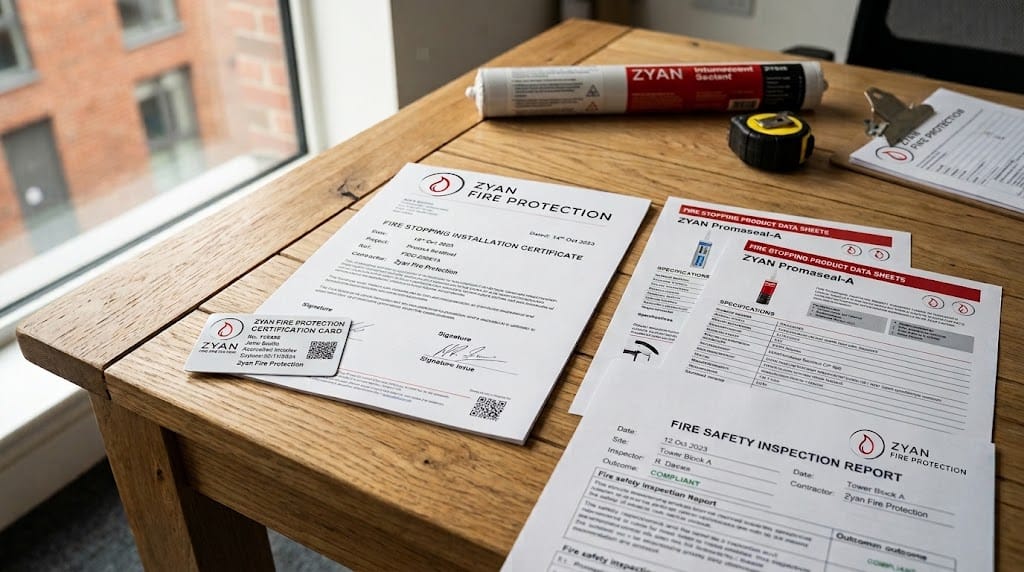
Good documentation typically includes:
- Installation records.
- Product specifications.
- Photographic evidence.
- Marked-up drawings where appropriate.
- Completion certificates.
- Recommendations for future inspections.
This information supports future maintenance, audits, insurance requirements, and regulatory inspections while providing confidence that work has been completed correctly.
Why Choose Zyan Fire Protection?
When remedial works are required, experience, attention to detail, and regulatory knowledge make a significant difference.
At Zyan Fire Protection, we specialise in identifying deficiencies and restoring passive fire protection using certified systems that meet current UK standards. Our team works across commercial, residential, healthcare, education, industrial, and social housing environments, delivering practical solutions with minimal disruption.
Every project begins with a thorough assessment to understand the condition of your existing fire protection. We then provide clear recommendations, transparent quotations, certified installation, and comprehensive documentation to support ongoing fire safety compliance.
Rather than simply repairing defects, we help clients understand the underlying issues so future risks can be reduced through better planning and maintenance.
Conclusion
Remedial fire works should never be delayed once significant defects have been identified. Small breaches can quickly become major safety risks if left unresolved.
Prioritising repairs according to risk, maintaining accurate documentation, and working with qualified specialists helps ensure buildings remain safe, compliant, and prepared for future inspections.
A proactive approach not only protects property but also safeguards the people who use the building every day.
Frequently Asked Questions
When should remedial fire works be carried out?
Remedial works should be completed whenever inspections, fire risk assessments, refurbishment projects, or maintenance activities identify defects that affect the performance of fire protection measures. Higher-risk issues should always be addressed as soon as possible.
How do I know if my building needs remedial fire works?
Buildings often require remedial works after compartmentation surveys, fire door inspections, or following alterations that introduce new service penetrations. Regular inspections help identify problems before they become more serious.
Are remedial fire works required for older buildings?
Yes. Older buildings frequently contain ageing materials, historical alterations, or outdated fire protection systems that may no longer satisfy current guidance. Assessments help determine whether upgrades or repairs are necessary.
Book Your Free Site Survey and Protect Your Building
If you are unsure whether your building requires remedial fire works, the certified team at Zyan Fire Protection can help. We provide professional site surveys, clear compliance advice, and practical solutions tailored to your property.
Book your free site survey or consultation today and let our specialists help you restore compliance, strengthen your building’s fire protection, and protect the people who depend on it every day.