Owning or managing residential property comes with significant legal responsibilities, and those responsibilities continue to evolve as fire safety legislation develops. Whether you oversee a block of flats, an HMO, or social housing, taking a proactive approach to compliance protects both your tenants and your investment.
A thorough understanding of fire safety compliance helps landlords identify risks before they become serious issues, reduce legal exposure, and create safer buildings for everyone who lives within them.
This practical checklist outlines the key areas landlords should review throughout 2026 to maintain safe, compliant properties.
Why Fire Safety Remains a Priority in 2026
Following recent updates to building safety legislation and increasing expectations from regulators, landlords are expected to demonstrate that fire protection measures are properly maintained and documented.
Passive fire protection plays a critical role in limiting the spread of fire and smoke. While active systems such as alarms and sprinklers help detect or suppress a fire, passive measures help contain it, allowing occupants more time to evacuate safely.
Maintaining compliance is not simply about meeting legal obligations. It is about reducing risk, protecting lives, and ensuring buildings continue to perform as intended during an emergency.
Landlord Fire Safety Compliance Checklist
Use the following checklist to review your property’s current position.
1. Review Your Fire Risk Assessment
A current Fire Risk Assessment forms the foundation of building safety.
Landlords should ensure assessments are reviewed regularly and updated whenever there are significant changes, including:
- Building refurbishments
- Changes in occupancy
- New service installations
- Alterations to escape routes
Any recommendations identified within the assessment should be addressed promptly and documented.
2. Inspect Fire Compartmentation
Fire compartmentation is designed to prevent fire and smoke from travelling through a building.
Over time, building works, maintenance activities, or new service installations can leave openings within fire-rated walls and floors.
Common issues include:
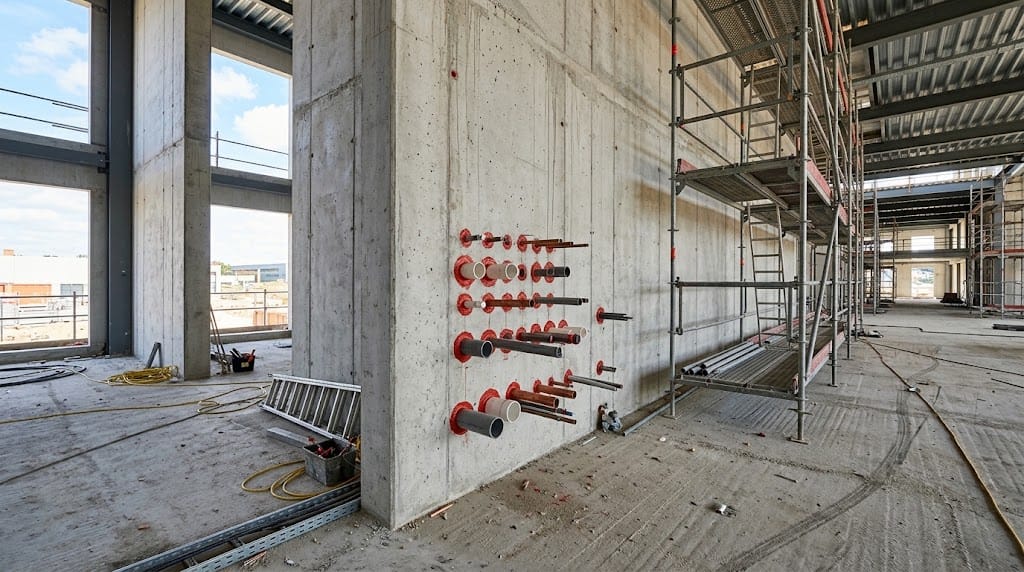
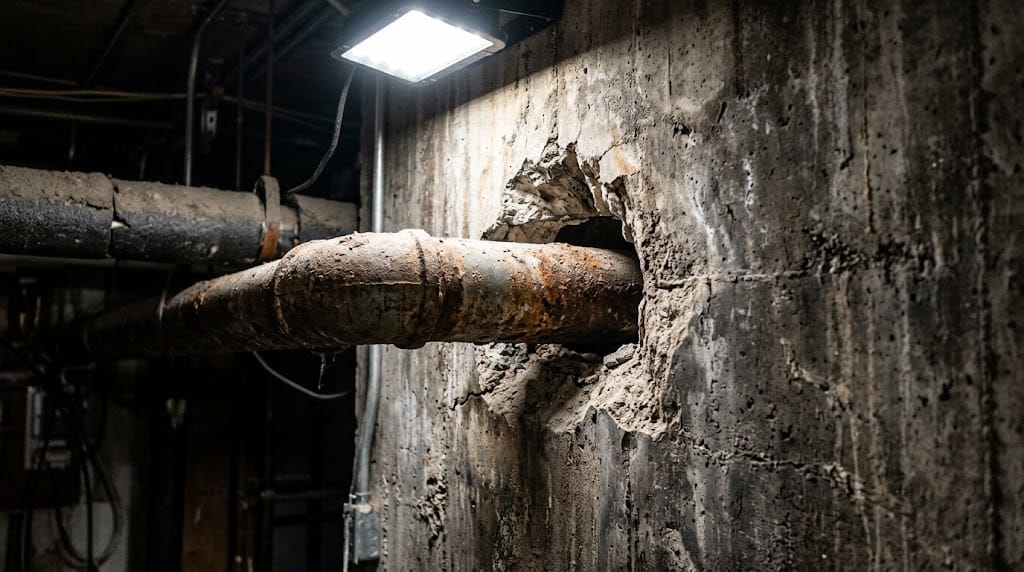
- Unsealed pipe penetrations
- Damaged fire-resistant walls
- Poorly sealed cable routes
- Missing cavity barriers
- Gaps around ducts or ventilation systems
Professional compartmentation surveys can identify hidden defects before they compromise the building’s overall fire strategy.
3. Keep Fire Doors in Good Condition
Proper fire doors maintenance is one of the most important aspects of passive fire protection.
Fire doors should:
- Close fully without obstruction
- Have functioning self-closing devices
- Include intact smoke seals and intumescent strips
- Be free from excessive damage
- Fit correctly within the frame
Even small defects can affect performance during a fire.
Routine inspections and timely repairs help ensure every fire door performs as intended when needed most.
4. Check Previous Fire Stopping Works
Not all historic fire stopping installations remain effective indefinitely.
Changes made during electrical, plumbing or mechanical works can leave previously compliant installations compromised.
Review whether:
- New penetrations have been sealed correctly
- Approved fire-resistant materials have been used
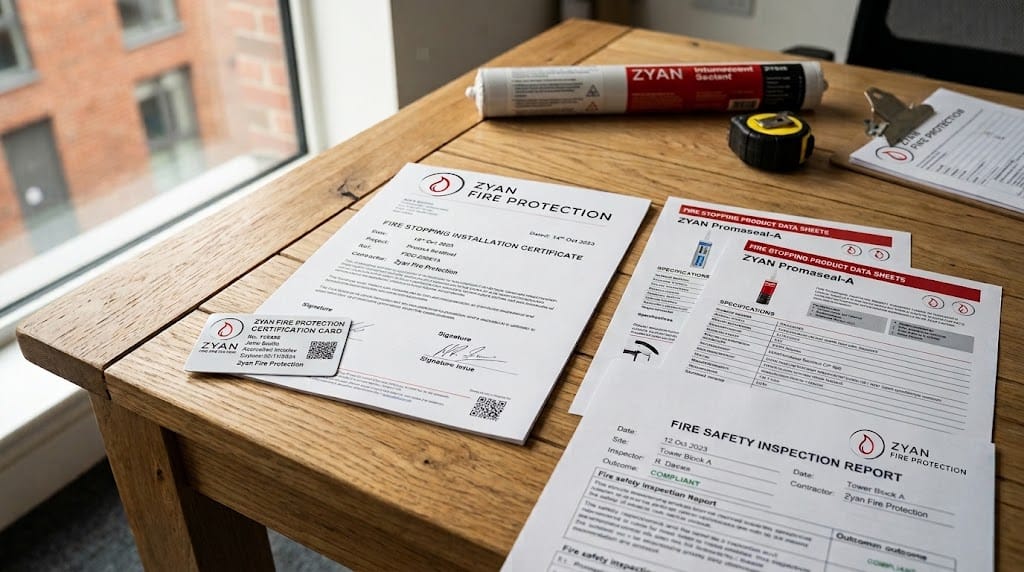
- Installation certificates remain available
- Previous remedial works have been completed to the required standard
Where uncertainty exists, an independent inspection provides reassurance and supports ongoing fire safety compliance.
5. Maintain Accurate Documentation
Good record keeping demonstrates that building safety has been managed responsibly.
Important documentation may include:
- Fire Risk Assessments
- Compartmentation survey reports
- Installation certificates
- Product data sheets
- Photographic records
- Maintenance records
- Remedial work reports
Clear documentation also assists during audits, insurance reviews, and regulatory inspections.
6. Address Remedial Works Promptly
Survey findings should never be left unresolved.
Minor defects often become larger compliance issues if left untreated.
Typical remedial works include:
- Reinstating damaged compartment walls
- Replacing failed fire stopping
- Upgrading cavity barriers
- Sealing service penetrations
- Repairing damaged fire doors
Addressing defects promptly helps maintain building safety while avoiding more extensive repairs later.
7. Ensure Contractors Use Certified Systems
Passive fire protection relies on tested products being installed correctly.
Landlords should verify that contractors:
- Use certified fire stopping systems
- Follow manufacturer installation guidance
- Provide installation certification
- Produce clear completion documentation
- Understand current Building Regulations
Choosing experienced specialists helps ensure work supports the building’s overall fire strategy.
Common Compliance Mistakes Landlords Should Avoid
Many compliance issues develop gradually rather than through a single major failure.
Some of the most common include:
- Assuming previous work remains compliant without inspection
- Failing to repair damaged compartmentation after refurbishment
- Delaying recommended remedial works
- Missing scheduled inspections
- Poor documentation of completed works
- Overlooking regular fire doors maintenance
Avoiding these mistakes helps reduce risk while making future inspections significantly smoother.
Why Choose Zyan Fire Protection?
Passive fire protection requires technical expertise, careful planning, and complete confidence in the finished work.
At Zyan Fire Protection, we work alongside landlords, managing agents, housing associations, developers, and commercial property owners to deliver compliant passive fire protection solutions across London and throughout the UK.
Our services include:
- Certified fire stopping installations
- Fire barrier installation
- Compartmentation surveys
- Remedial fire protection works
- Fire door inspections and reporting
- Comprehensive compliance documentation
Every project is completed using approved systems and supported with clear certification, photographic evidence, and detailed reporting. We focus on practical solutions that help clients achieve lasting fire safety compliance without unnecessary disruption.
Our experienced team provides impartial advice, transparent communication, and fast turnaround times, giving landlords confidence that their buildings remain protected and compliant.
Conclusion
Fire safety responsibilities continue long after a building is completed or occupied. Regular inspections, well-maintained passive fire protection, and accurate documentation all contribute to safer buildings and stronger regulatory compliance.
By reviewing compartmentation, maintaining fire doors, addressing remedial works promptly, and working with experienced specialists, landlords can significantly reduce risk while meeting their legal obligations throughout 2026.
Frequently Asked Questions
What fire safety responsibilities do landlords have in 2026?
Landlords are responsible for maintaining suitable fire protection measures, keeping escape routes safe, arranging appropriate Fire Risk Assessments, and ensuring passive fire protection systems remain effective. They should also retain clear documentation to demonstrate compliance during inspections.
How often should fire doors be inspected?
Inspection frequency depends on the type of building and occupancy, but regular planned inspections are considered best practice. High traffic buildings often require more frequent checks to identify wear, damage, or defects before they affect performance.
When should a compartmentation survey be carried out?
A compartmentation survey is recommended following refurbishment works, changes to building services, or where there is uncertainty about the condition of existing fire stopping. Regular surveys also help identify hidden breaches before they become significant safety risks.
Book a Free Fire Safety Compliance Survey
If you’re responsible for managing residential or commercial property, ensuring your passive fire protection remains compliant should never be left to chance.
Zyan Fire Protection provides expert compartmentation surveys, certified fire stopping, remedial works, and professional reporting to help landlords meet current regulations with confidence.
Book your free site survey or consultation today and let our experienced team help you protect your building, support compliance, and keep occupants safe.