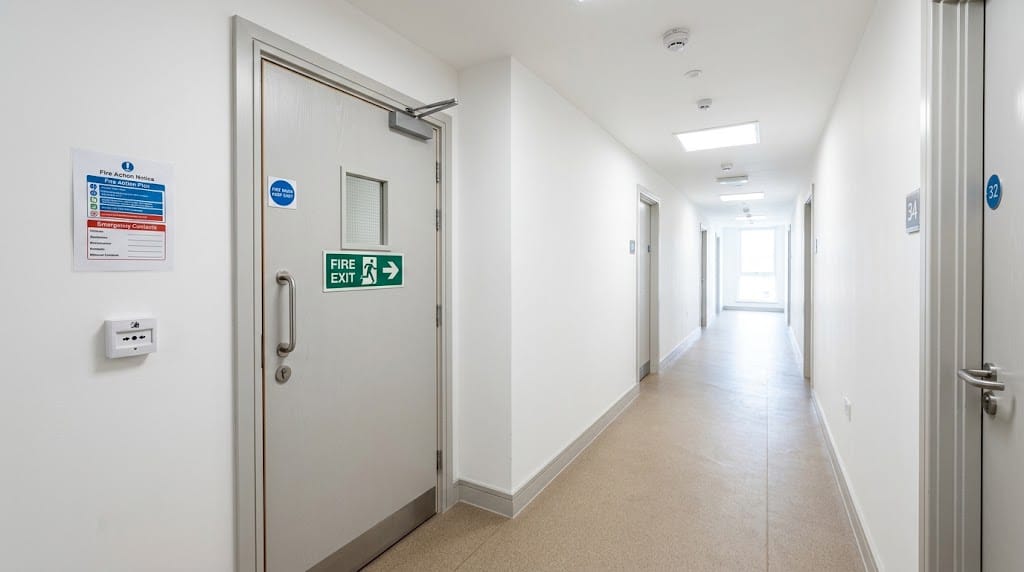
When it comes to keeping buildings safe, passive fire protection plays a vital role. Two of the most important methods are fire stopping and fire barriers. While these terms are often used together, they are not the same thing. Understanding the difference helps building owners, managers, and contractors make informed decisions to keep properties compliant and protected.
What is Fire Stopping?
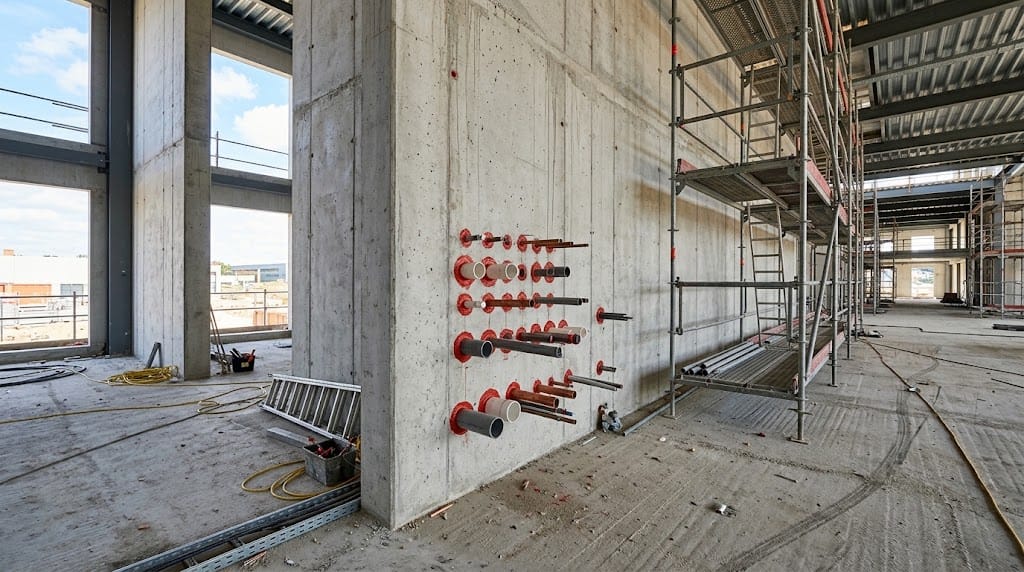
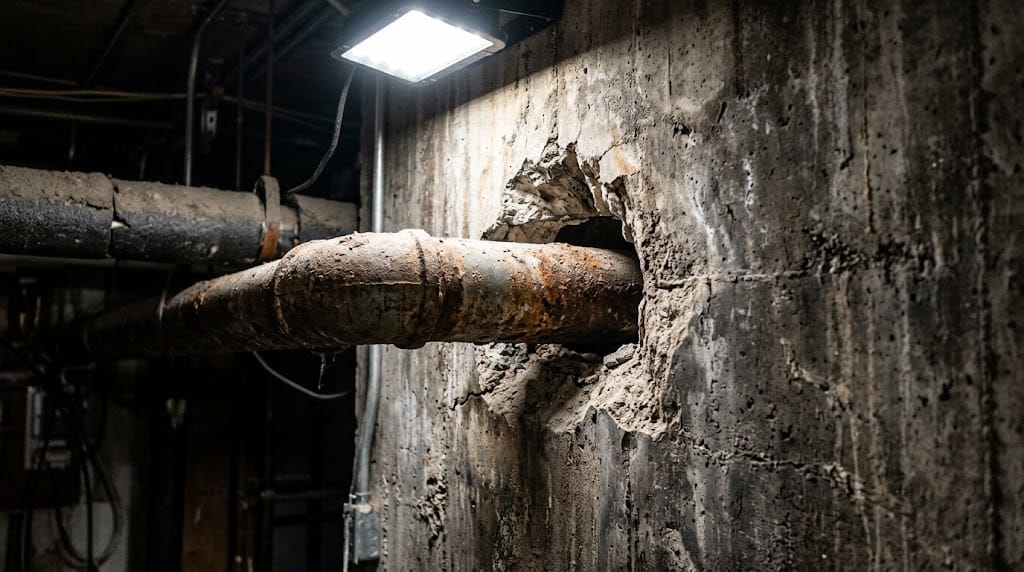
Fire stopping is the process of sealing small gaps, joints, and service penetrations in fire-rated walls, floors, and ceilings. Without proper sealing, fire and smoke can spread quickly through even the smallest openings, undermining the integrity of a building’s fire compartmentation.
Fire stopping typically involves:
- Sealing around pipes, cables, and ducts
- Using fire-resistant sealants, mortars, and wraps
- Ensuring all penetrations are restored to their original fire rating
The goal is simple: to prevent fire and smoke from travelling unseen through hidden spaces, ensuring each compartment of a building can contain fire long enough for safe evacuation.
What are Fire Barriers?
Fire barriers work on a larger scale than fire stopping. Instead of sealing small penetrations, fire barriers create divisions across concealed spaces, such as cavities between walls, ceilings, and floors. They are essential in stopping fire from spreading through hidden voids where flames and smoke could otherwise travel unchecked.
Examples of fire barriers include:
- Vertical and horizontal cavity barriers
- Slab edge perimeter barriers
- Fire curtains and blankets
By installing these systems, buildings are protected against the rapid movement of fire through concealed areas that may not be visible during an emergency.
Fire Stopping vs Fire Barriers: The Key Difference
Both fire stopping and fire barriers are forms of passive fire protection, but they focus on different challenges.
- Fire stopping is about sealing individual penetrations and gaps.
- Fire barriers are about blocking larger voids and cavities.
Together, they ensure that a building’s fire compartmentation remains effective, slowing down the spread of fire and smoke, and giving occupants more time to evacuate.
Why Both Are Essential in Passive Fire Protection
A compliant building cannot rely on just one method. Fire stopping and fire barriers work hand in hand to deliver a complete safety system. Without fire stopping, small service gaps would allow fire to travel between compartments. Without fire barriers, fire could spread quickly through concealed spaces.
By combining both methods, you maintain effective compartmentation, protect escape routes, and meet the requirements of UK Building Regulations.
Why Choose Zyan Fire Protection?
Selecting the right partner for passive fire protection makes all the difference. Zyan Fire Protection provides end-to-end solutions that ensure your building is both safe and compliant.
Here is why clients trust us:
- Certified and experienced contractors with BM Trada approval
- Independent advice, free from manufacturer bias
- Clear communication with no jargon
- Fast turnaround with a one-day quote promise
- Full documentation, digital reporting, and compliance support
Whether you manage a commercial property, healthcare facility, residential housing, or industrial site, our team ensures that every aspect of your fire stopping and fire barrier systems meets the highest standards.
Conclusion
Fire stopping and fire barriers are both critical elements of passive fire protection. Fire stopping seals penetrations and gaps, while fire barriers contain fire in concealed cavities. Together, they ensure effective compartmentation and compliance with UK fire safety regulations.
By working with a trusted partner like Zyan Fire Protection, you can be confident your building is prepared to protect lives and property.
FAQs
1. Can I use fire stopping materials as a replacement for fire barriers?
No. Fire stopping and fire barriers serve different purposes. Fire stopping seals smaller penetrations, while fire barriers protect larger concealed cavities. Both are required for a compliant system.
2. How often should fire barriers and fire stopping be inspected?
Regular inspections should be carried out as part of your fire risk assessment. Any refurbishment, new installations, or changes to a building’s services may require fresh inspections.
3. Are fire stopping and fire barriers legally required in the UK?
Yes. UK Building Regulations (Part B) require effective fire compartmentation. Both fire stopping and fire barriers are necessary to meet compliance standards.
Take Action Today
Protect your property, meet compliance, and keep people safe. Contact Zyan Fire Protection today to arrange a site survey or request a fast, no-obligation quote.