Fire safety is a crucial aspect of building management, yet it is often overlooked until an emergency occurs. One of the most vital components of passive fire protection is fire stopping, a system designed to prevent the spread of fire and smoke between different areas of a building. Understanding what is fire stopping and recognising signs of poor fire stopping in your property can help protect lives, ensure compliance, and reduce potential damage.
At Zyan Fire Protection, we provide expert fire stopping services across London and the UK, helping building owners and managers maintain safe, compliant properties. In this guide, we will outline key indicators of inadequate fire stopping, explain why these issues matter, and offer practical steps to address them.
What Is Fire Stopping and Why It Matters
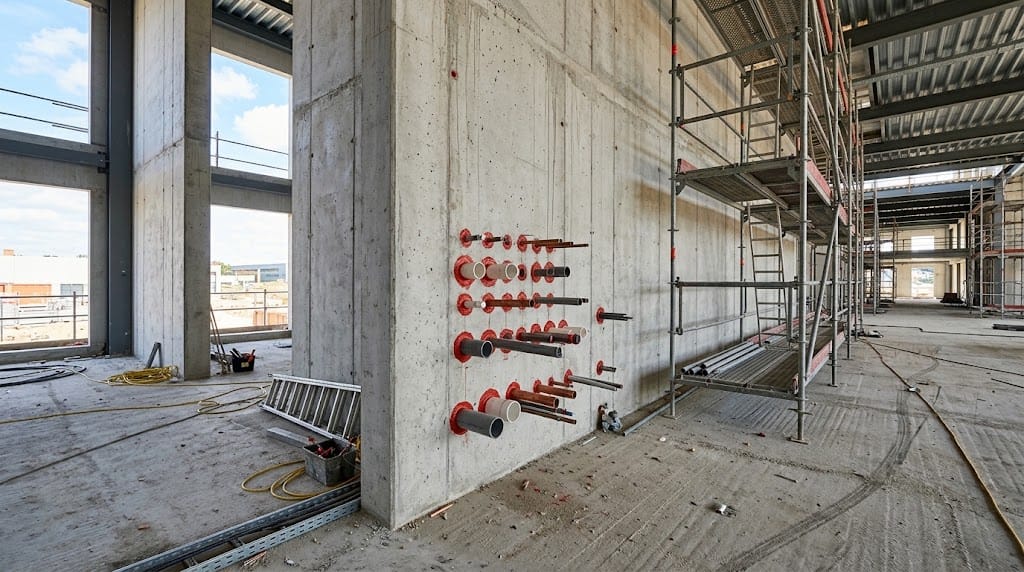
Fire stopping involves sealing joints, gaps, and penetrations in fire-rated walls, floors, and ceilings. These openings often occur around pipes, cables, ducts, and structural joints. Proper fire stopping ensures that if a fire breaks out in one compartment of a building, it does not spread quickly to other areas, providing occupants with crucial evacuation time and reducing structural damage.
Poor fire stopping can lead to rapid fire and smoke spread, putting lives at risk and creating potential legal and financial liabilities. Building Regulations Part B requires fire stopping to meet strict safety standards, and failing to comply can result in enforcement actions from local authorities or insurers.
Common Signs of Poor Fire Stopping
Identifying poor fire stopping early can prevent major safety issues and ensure compliance. Here are some of the most common signs to watch for:
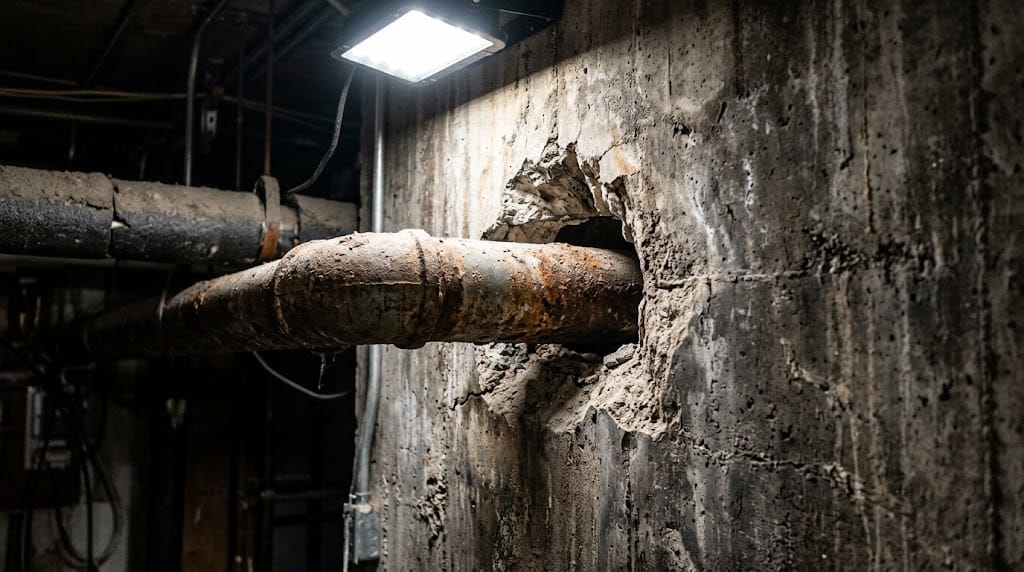
- Visible gaps or cracks around service penetrations
Pipes, cables, and ducts passing through walls or floors should be sealed with fire-rated materials. Any visible voids indicate compromised fire stopping. - Missing or damaged fire barriers
Fire barriers in concealed cavities, such as wall cavities or ceiling voids, are essential for containing smoke and flames. Missing, misaligned, or damaged barriers are a serious red flag. - Unsealed joints and construction gaps
Linear joints between floors, walls, or ceilings must be filled with appropriate fire-resistant sealants. Unsealed gaps reduce compartmentation and compromise the building’s fire safety strategy. - Signs of wear or degradation
Over time, intumescent sealants, wraps, and mortars can degrade due to moisture, vibration, or building work. Crumbling, cracking, or peeling fire stopping materials should be addressed immediately. - Retrofit issues
Older buildings or renovations may have non-compliant fire stopping if the materials used do not meet current fire safety regulations. Ensure all upgrades are certified and in line with the latest building codes.
Why Poor Fire Stopping Poses a Risk
Inadequate fire stopping increases the likelihood of fire spreading rapidly through a building, threatening occupants, damaging property, and potentially invalidating insurance policies. Non-compliant fire stopping may also lead to legal issues under UK Building Regulations, putting the property owner or manager at risk of enforcement action.
Effective fire stopping is a preventative measure. By identifying and addressing issues early, you maintain compartmentation, protect evacuation routes, and ensure compliance with fire safety standards.
How Zyan Fire Protection Helps
As a trusted fire safety partner, Zyan Fire Protection provides certified fire stopping services tailored to your building’s specific needs. Our approach is professional, thorough, and compliance-focused. Here’s why property managers and developers rely on us:
- Certified and Experienced Contractors
Our team holds BM Trada certification and extensive experience in fire stopping and passive fire protection. - Comprehensive Fire Stopping Solutions
We inspect, install, and maintain fire stopping systems, including penetration seals, joint and gap sealing, fire barriers, and fire doors. - Regulatory Compliance
We ensure every project aligns with Building Regulations Part B and your building’s fire strategy. - Tailored Support for Any Property
Whether it’s a new build, retrofit, or remedial upgrade, we provide solutions that suit residential, commercial, healthcare, and industrial buildings. - Transparent Documentation
Our reports, certificates, and fire strategy support give clients confidence during audits, inspections, and handovers.
Practical Steps to Identify and Address Poor Fire Stopping
Even if you are not a fire safety professional, there are steps you can take to assess your building:
- Conduct a visual inspection
Walk through the building and look for gaps, damaged materials, or missing barriers. Take notes and photos for reference. - Check service penetrations
Ensure all pipes, cables, and ducts are properly sealed with fire-rated materials. - Review previous surveys and certificates
Assess whether past installations meet current fire safety standards and regulations. - Schedule a professional fire stopping survey
An expert survey identifies risks you may miss and provides actionable recommendations for upgrades or repairs. - Implement remedial works where necessary
Use certified materials and experienced contractors to restore full compliance and safety.
Conclusion
Poor fire stopping is a hidden risk that can jeopardise lives, property, and compliance with UK regulations. By understanding what is fire stopping and recognising the signs of inadequate installation, building managers and owners can take proactive steps to ensure their properties are safe and compliant.
Partnering with Zyan Fire Protection provides peace of mind, certified solutions, and ongoing support for all fire stopping needs. Our expert team ensures your building maintains effective compartmentation, reduces risk, and meets all regulatory requirements.
FAQs
How often should fire stopping be inspected?
Fire stopping should be inspected during initial construction, after major renovations, and as part of routine fire safety audits. Annual checks are recommended to maintain compliance.
Can poor fire stopping affect my building insurance?
Yes. Non-compliant or damaged fire stopping can invalidate insurance policies. Maintaining certified systems ensures coverage and compliance with regulations.
What types of materials are used in fire stopping?
Common materials include intumescent sealants, fire-rated mortars, wraps, and cavity barriers. All materials used must be certified to meet UK fire safety standards.
Ensure your building is fully compliant and protected against fire risks.
Book a free site survey with Zyan Fire Protection today and let our certified experts provide peace of mind with professional fire stopping services.