When it comes to protecting buildings and the people inside them, fire safety is more than just a legal requirement. It is a responsibility that every property owner, facilities manager, and developer must take seriously. Yet, the terms fire stopping and fire prevention are often confused, leading to uncertainty about what is needed to ensure full compliance. In this fire protection blog, we will break down the differences between the two, explain their role in a complete fire strategy, and show why expert guidance is essential.
What is Fire Prevention?
Fire prevention refers to the proactive measures taken to reduce the likelihood of a fire starting in the first place. These steps are designed to control hazards, reduce risks, and keep environments safe.
Common examples of fire prevention include:
- Regular inspection and maintenance of electrical systems
- Safe storage of flammable materials
- Installation of smoke alarms and detection systems
- Clear emergency evacuation plans
Fire prevention is the first line of defence, but on its own it does not stop fire and smoke from spreading once an incident occurs. That is where fire stopping comes in.
What is Fire Stopping?
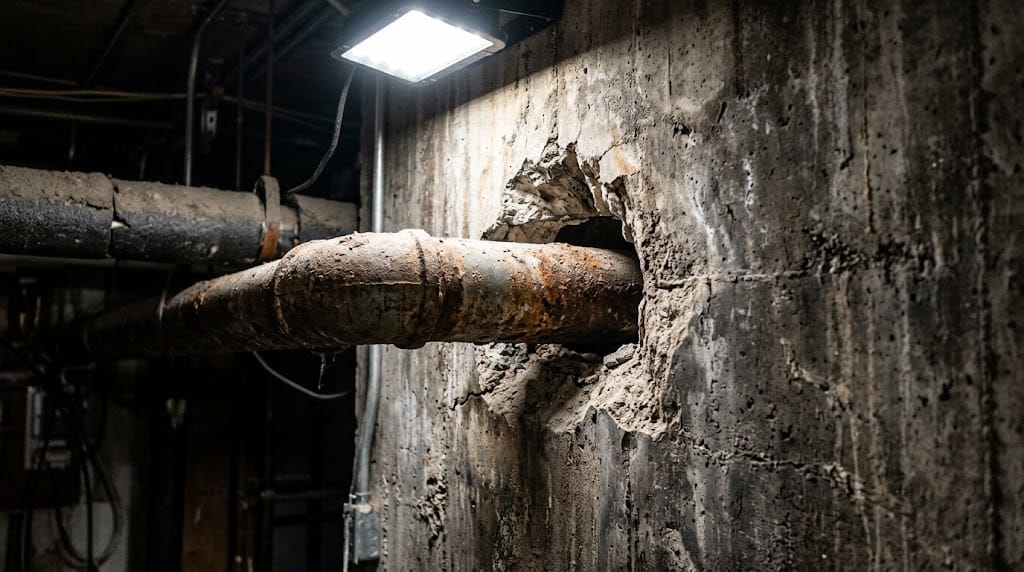
Fire stopping is a vital part of passive fire protection. It involves sealing joints, gaps, and penetrations in fire-rated walls, floors, and ceilings to stop flames and smoke from passing between compartments. This method ensures that a building’s fire strategy is fully functional and compliant with fire stopping regulations UK standards.
Practical fire stopping techniques include:
- Using intumescent sealants that expand when exposed to heat
- Installing fire-resistant mortars, wraps, and collars around services
- Applying cavity barriers in concealed spaces between walls and floors
- Ensuring fire doors are inspected and functioning correctly
While fire prevention tries to stop a fire from starting, fire stopping ensures that if a fire does break out, it remains contained long enough for safe evacuation and emergency response.
What Is a Passive Fire Protection System ?
A common question is what is a passive fire protection system and what are fire stops. A passive fire protection system is a combination of fire-resistant materials and building components designed to prevent the spread of fire and smoke without requiring activation. Fire stops are an essential part of this system, used to seal gaps and penetrations around pipes, cables, ducts, and joints in fire-rated walls and floors. By understanding what are fire stops and how they work within a passive fire protection system, building owners can improve fire safety, maintain compartmentation, and comply with UK Building Regulations.
Why Both are Essential for Building Safety
It is not a case of choosing between fire stopping and fire prevention. Both are essential. Fire prevention reduces the chances of ignition, while fire stopping slows down the spread of fire and smoke. Together they create a layered defence system that saves lives and reduces property damage.
A complete fire strategy should combine both. This means not only putting safety policies and maintenance practices in place but also ensuring that the building structure itself is designed and maintained to resist the spread of fire.
Fire Stopping Regulations in the UK
In the UK, Building Regulations Part B requires all buildings to be designed and maintained with measures that prevent fire from spreading between compartments. Fire stopping is therefore not optional but a legal requirement.
Compliance includes:
- Sealing all service penetrations with certified fire-resistant materials
- Installing cavity barriers where voids could allow fire to spread
- Ensuring fire doors and compartment walls meet safety standards
- Producing documentation to prove compliance to building control and insurers
Failing to meet these requirements can result in legal action, costly remedial works, and, most importantly, risk to lives.
Why Choose Zyan Fire Protection?
At Zyan Fire Protection, we specialise in delivering certified passive fire protection solutions that keep buildings safe and compliant. Since 2020, we have worked across London and the UK with developers, housing associations, healthcare facilities, and commercial property managers to provide trusted fire stopping services.
Our advantages include:
- BM Trada certified contractors with proven expertise
- Independent advice focused on compliance and safety
- One-day turnaround on quotes to keep projects moving
- Full documentation including digital reports, certificates, and drawings
- End-to-end service from survey to installation and aftercare
We do not just install fire stopping systems. We provide clarity, accountability, and peace of mind, ensuring your fire strategy is watertight and fully compliant.
Conclusion
The difference between fire stopping and fire prevention lies in when they act. Fire prevention aims to stop a fire from starting, while fire stopping contains it once it has begun. Both are critical elements of a safe and compliant building. By working with certified experts, you can ensure that your property, its occupants, and your responsibilities as a manager or owner are fully protected.
FAQs
1. Is fire stopping mandatory in all UK buildings?
Yes. Fire stopping regulations UK standards require all new builds and refurbishments to have proper fire stopping measures in place to maintain compartmentation.
2. How often should fire stopping be inspected?
It is recommended that fire stopping is inspected during routine fire risk assessments or after any building works that may have disturbed compartments.
3. What happens if my building fails a compartmentation survey?
If your building fails a survey, remedial works will be required to replace or upgrade non-compliant installations. Zyan Fire Protection provides full support, from reinstatement to certification.
Take the Next Step
Protecting your building is not just about meeting minimum requirements. It is about safeguarding lives and reducing risk. Contact Zyan Fire Protection today to book a survey or request a one-day quote and make your fire strategy fully compliant.