Passive fire protection (PFP) is one of the most important elements of building safety, yet it is often overlooked. Unlike active systems such as sprinklers or alarms, passive fire protection works quietly in the background, containing fire and smoke to protect lives, property, and compliance with the latest UK regulations, including the Building Safety Act 2022.
What Is Passive Fire Protection?
Passive fire protection refers to building features that prevent the spread of fire and smoke without requiring human intervention or mechanical activation. It works by creating fire-resistant compartments within a building, slowing down the fire and giving occupants more time to evacuate safely.
A well-designed passive fire protection system includes fire-rated walls, floors, ceilings, doors, and barriers sealed with fire-resistant materials. These measures maintain compartmentation, limit structural damage, and ensure fire remains confined to a controlled area.
The Building Regulations and the Fire Safety Order effectively require every building, whether commercial, residential, or industrial, to have passive fire protection in place. Without it, even a small fire can spread rapidly, increasing the risk to occupants, property, and insurance validity.
Active vs Passive Fire Protection
Active and passive fire protection systems work together to provide a complete fire safety strategy. While passive measures contain and slow fire, active systems detect and suppress it.
Passive Fire Protection Seals and compartments stop fire and smoke automatically through fire-resistant materials. Purpose is to protect structure and provide safe evacuation routes.
Active Fire Protection Sprinklers, alarms, and extinguishers respond to fire through detection or activation. Purpose is to alert occupants and reduce immediate fire intensity.
Using both together ensures a building meets current safety standards and minimises damage during an emergency.
Types of Passive Fire Protection Systems
Passive fire protection systems come in several forms, each with a specific role in your building’s fire safety strategy.
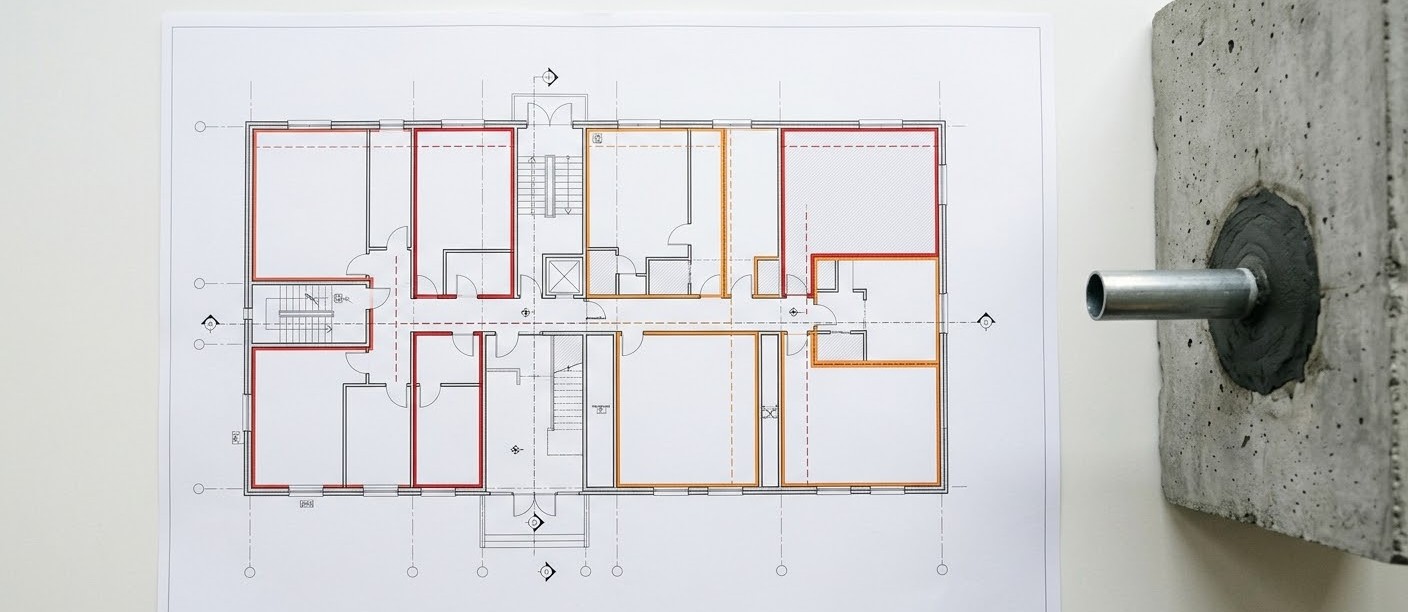
Fire Stopping Seals gaps and penetrations in walls, floors, and ceilings around cables, pipes, and ducts using intumescent wraps or mortars.
Fire Barriers High-performance walls, slabs, or cavity barriers that contain fire in designated compartments.
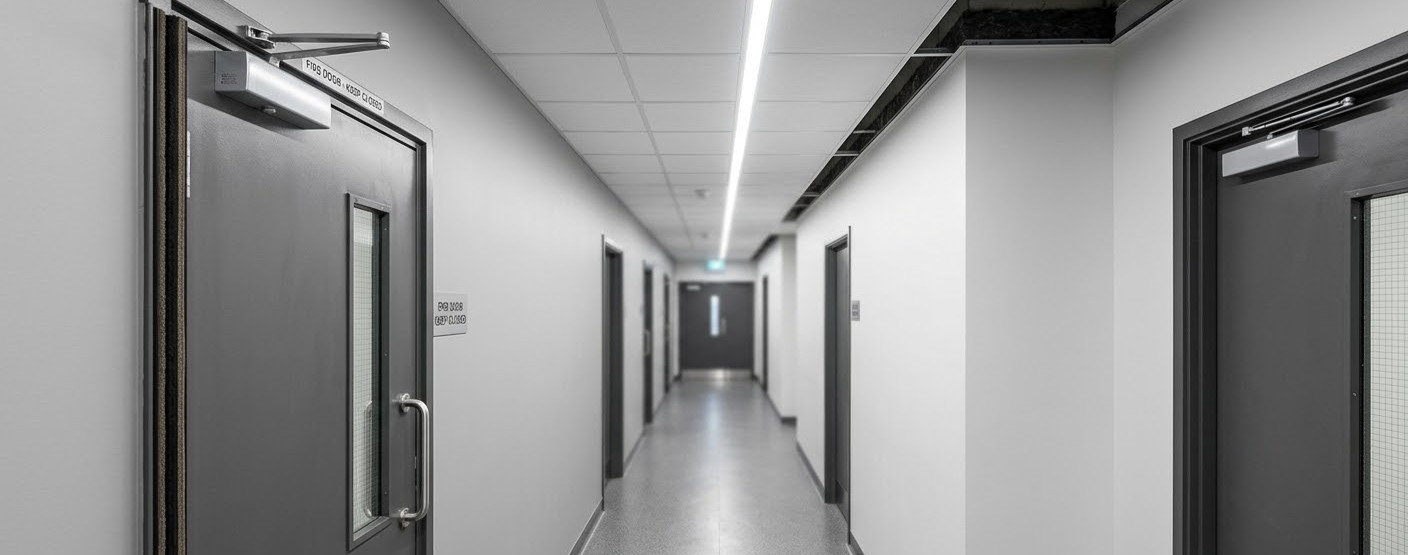
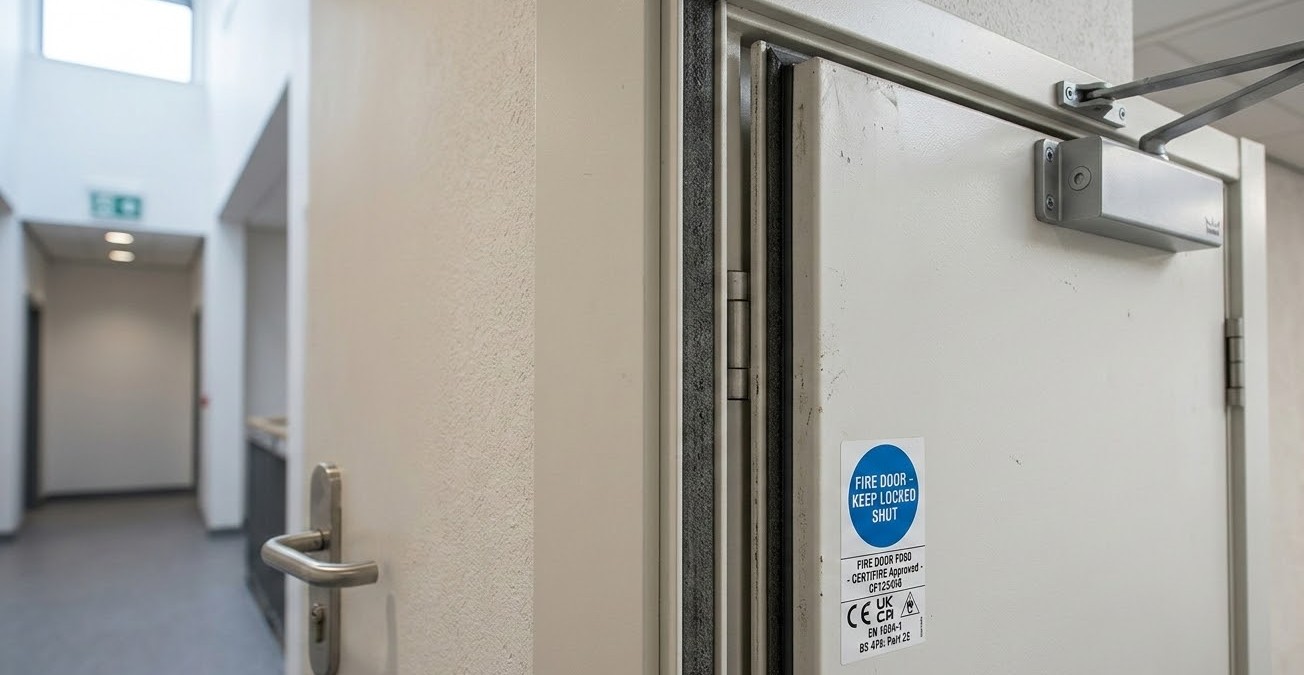
Fire Doors Specially designed doors that prevent fire and smoke from spreading between rooms. In 2026, these require strictly documented maintenance logs.
Intumescent Coatings Specialised paints that expand under heat, creating a protective char that prevents structural steel from collapsing.
Compartmentation Divides a building into fire-resistant zones to control fire spread and protect escape stairs and corridors.
Passive Fire Protection Products and Materials
Effective passive fire protection relies on third-party certified products that meet UK standards. Common examples include:
- Fire-resistant mortars and sealants
- Intumescent wraps, pillows, and coatings
- Cavity and perimeter fire barriers
- Fire doors with compliant, fire-rated hardware
- Fire-stopping collars for plastic service penetrations
Using approved materials ensures systems perform as intended in an emergency and remain compliant with Building Safety Regulator audits.
UK Regulations for Passive Fire Protection
In the UK, passive fire protection must comply with Building Regulations Part B and the Fire Safety (England) Regulations 2022.
Building Safety Act 2022 Mandates a Golden Thread of digital information. Building owners must be able to prove what was installed, where, and by whom.
Fire Safety Act 2021 Clarifies that fire risk assessments must include the building’s structure, external walls, and flat entrance doors.
Competence Requirements Passive fire protection must be installed by a competent person, typically verified by third-party accreditation such as FIRAS or IFC.
Do You Need a Passive Fire Protection Survey?
A professional survey is essential for identifying hidden failures in your building’s fire safety measures. Surveys can uncover issues such as:
- Missing or damaged fire stopping around new services
- Non-compliant fire doors with incorrect gaps or missing intumescent strips
- Breaches in compartmentation above suspended ceilings
- Outdated or non-certified materials
Professional surveys provide the digital reports needed to maintain your building’s safety case and insurance cover.
Passive Fire Protection Services from Zyan Fire Protection
We support property owners, developers, and facilities managers with certified passive fire protection solutions across London and the UK.
Our services include:
- Fire stopping installation and upgrades
- Fire barriers and cavity protection
- Compartmentation surveys
- Fire door inspections and remedial works
- Remedial works and compliance improvements
- Certification and documentation support
We work with developers, contractors, housing associations, and building owners to ensure buildings remain compliant, protected, and safe.
Frequently Asked Questions
What is the difference between active and passive fire protection?
Passive fire protection contains fire and smoke automatically through fire-resistant building elements. Active fire protection, such as sprinklers and alarms, requires detection or activation to respond to a fire.
Is passive fire protection a legal requirement in the UK?
Yes. Buildings must comply with Building Regulations Part B and the Fire Safety Order. Failure to maintain passive fire protection can lead to prosecution and voided insurance.
What does a passive fire protection survey involve?
A professional survey assesses your building’s fire stopping, doors, and barriers to identify gaps, damage, or non-compliant installations, providing a detailed digital report of the building’s safety status.
Who is responsible for passive fire protection in a building?
The Responsible Person, typically the owner, landlord, or manager, or the Accountable Person under the Building Safety Act.
Get a Free 2026 Compliance Assessment Today
Ensure your building is safe and fully compliant with the latest UK laws. Our team provides a free passive fire protection assessment to identify risks and guide you through implementing a certified fire protection system.