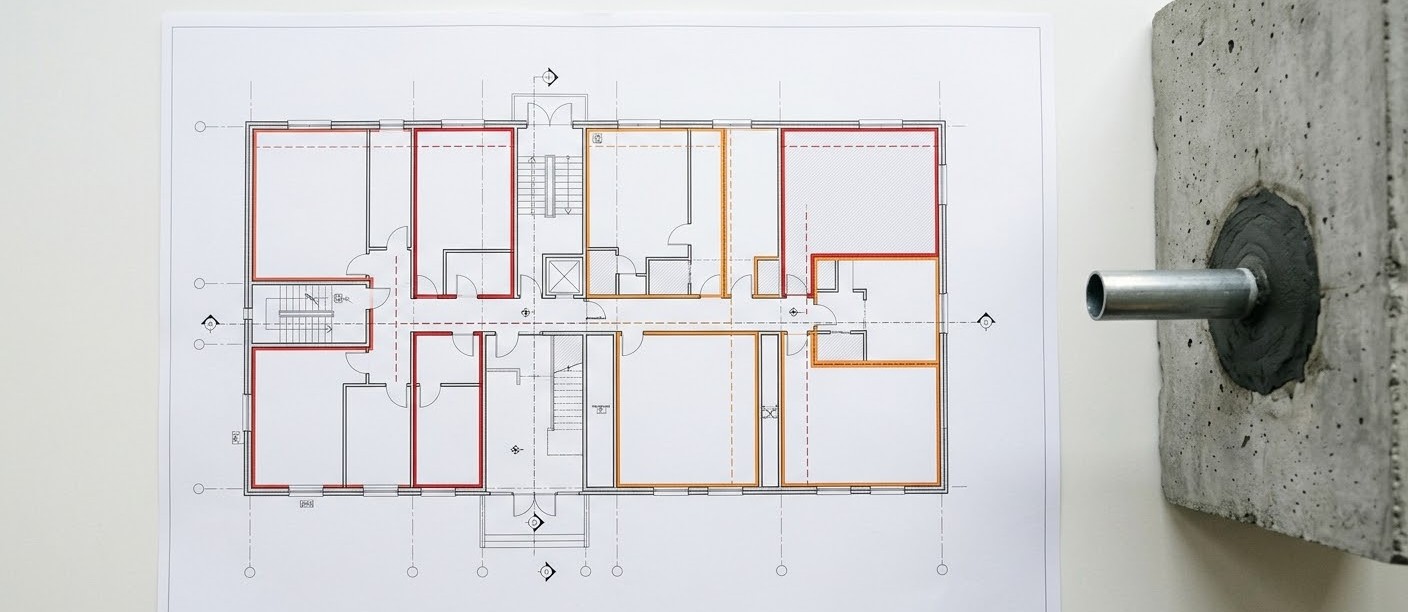
Fire compartmentation is the process of dividing a building into fire-resistant sections that contain fire and smoke, protecting escape routes and limiting structural damage. A professional compartmentation survey confirms whether your building compartments remain intact, effective and compliant.
Why Fire Compartmentation Matters
Proper compartmentation is not just a safety recommendation. It is the physical foundation of the Golden Thread of information, ensuring that a building’s safety design is maintained and documented throughout its life. By creating fire-safe zones, compartmentation helps protect occupants, supports emergency evacuation, and ensures fire safety compliance with UK regulations.
How Fire Compartmentation Works
Effective fire compartmentation relies on a combination of walls, floors, doors, and seals working as a unified system.
Fire Walls and Floors Fire-rated walls and floors resist flames for a set period, usually 30 to 120 minutes, forming the primary structure of each compartment.
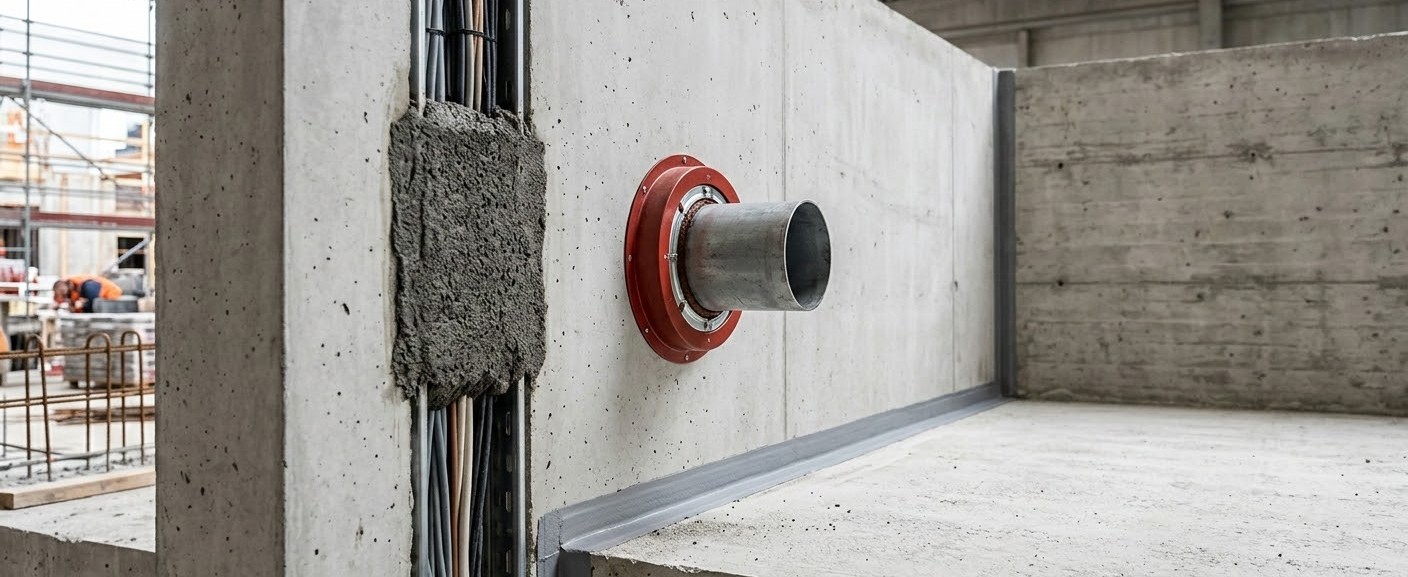
Penetration Sealing Gaps where cables, pipes, or ducts pass through walls or floors are potential weak points. Fire stopping using intumescent wraps, sealants, and fire-rated mortars restores the integrity of each compartment and keeps it compliant even after new installations.
Cavity Barriers Hidden spaces above suspended ceilings or behind cladding can allow fire to spread undetected. Installing barriers in these voids prevents fires from bypassing fire-rated walls, an area commonly identified during a fire compartmentation survey.
When these elements work together, the building becomes a network of protected zones, reducing risk and supporting fire safety compliance.
UK Regulations and the 2025 to 2026 Shift
The regulatory landscape has changed significantly. Compliance now requires adherence to updated testing standards and oversight from new authorities.
Withdrawal of BS 476 As of March 2025, the UK has withdrawn National Classifications under BS 476 for reaction to fire. All new materials must now comply with the stricter BS EN 13501-1 Euroclass standard.
The Building Safety Regulator The Building Safety Regulator is now an independent authority issuing Building Assessment Certificates. A fire compartmentation survey is a vital part of the evidence needed to obtain this certificate for high-rise residential buildings.
Second Staircase Mandate From September 2026, residential buildings over 18 metres require a second common staircase. This significantly affects how fire compartments and escape routes are designed in both new builds and refurbishments.
When Do You Need a Compartmentation Survey?
For higher-risk buildings, compartmentation surveys are often necessary to demonstrate compliance and manage building safety risks effectively, but are not mandatory by law. You should arrange a survey if:
- You are applying for a Building Assessment Certificate requiring proof of intact compartmentation
- New maintenance or installations have occurred, such as IT or electrical contractors adding cables that may breach fire walls
- Refurbishments have been completed and the original fire strategy may have been compromised
- Your building is 18 metres or more, or seven or more storeys in height
A professional fire stopping survey identifies gaps, provides actionable reports, and ensures your building meets the latest UK regulations.
Common Failures and Remedial Works
Many buildings fail Building Safety Regulator audits due to hidden breaches discovered during intrusive surveys. Common issues include:
- Unsealed penetrations from new cabling added after the building’s completion
- Outdated materials that no longer meet Euroclass standards
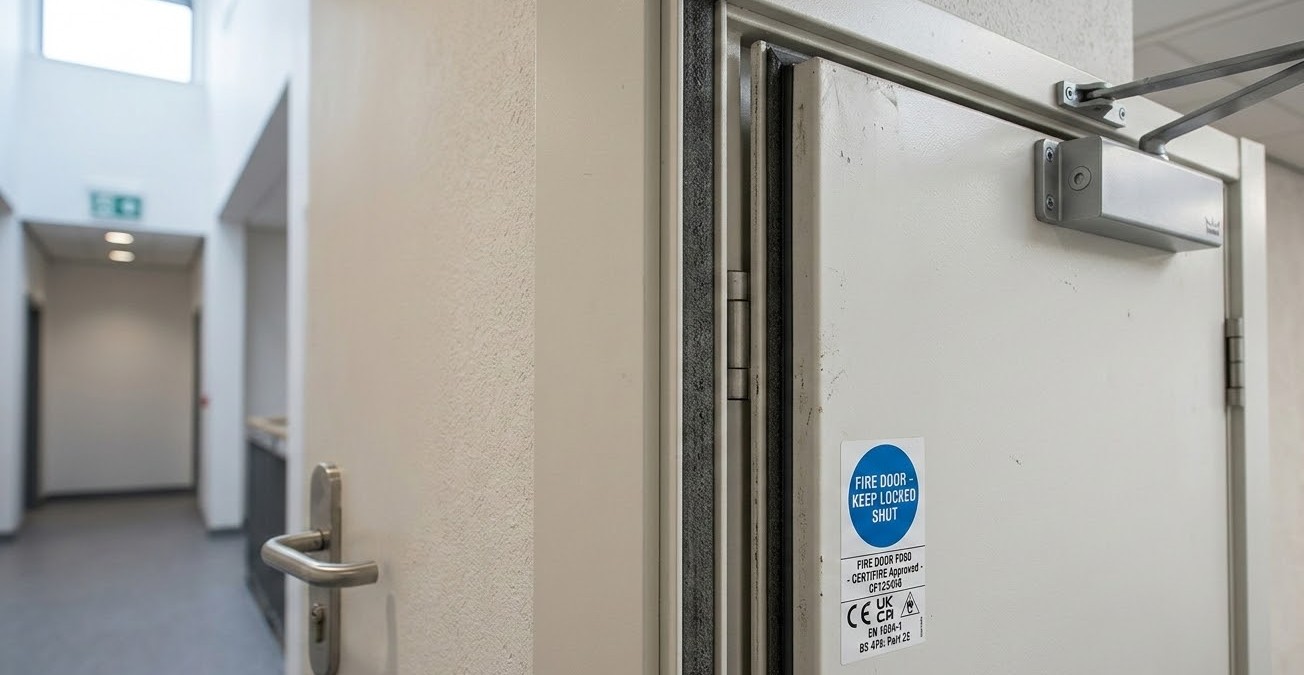
- Faulty fire doors with gaps or damaged seals that prevent effective compartmentation
Fixing these problems involves removing non-compliant materials and installing certified alternatives. Our team provides remedial works with detailed digital documentation to satisfy compliance audits and regulator inspections.
Frequently Asked Questions
What is fire compartmentation?
Fire compartmentation is the process of dividing a building into fire-resistant sections to contain fire and smoke, protect escape routes, and limit structural damage.
What does a fire compartmentation survey involve?
A survey assesses whether your building’s fire barriers, fire stopping, and fire doors are intact and compliant. It identifies breaches and provides clear recommendations for remedial action.
When is a fire stopping survey required?
A fire stopping survey is recommended after any refurbishment, new service installation, or building alteration that may have created new penetrations. It is also strongly recommended for buildings applying for a Building Assessment Certificate.
What is fire safety compliance in the context of compartmentation?
Fire safety compliance means ensuring your building’s compartmentation, fire stopping, and fire doors meet current UK regulations including Building Regulations Part B and the Building Safety Act 2022.
Who is responsible for fire compartmentation in a building?
The Responsible Person, typically the owner, landlord, or facilities manager, is legally accountable for ensuring fire compartmentation remains effective and documented throughout the building’s lifecycle.
Book a Compartmentation Survey Today
Fire compartmentation is the backbone of your building’s fire strategy. Our experts provide intrusive, detailed surveys that identify gaps, ensure compliance with current UK standards, and supply the evidence needed to demonstrate that fire risks are being properly managed.