Understanding fire safety regulations is essential for compliance and safety. Approved Document B provides guidance on how buildings should be designed and constructed to meet fire safety requirements. Ongoing maintenance duties fall under separate fire safety legislation. Explained here in plain English for building owners, developers, and facilities managers.
What Is Approved Document B?
Approved Document B is official guidance that supports Part B of the Building Regulations in England. While it is not law itself, following this guidance is the most common way to demonstrate compliance with legal requirements.
The guidance applies to:
- New building construction
- Refurbishments and alterations
- Change of building use
- Fire safety upgrades
Approved Document B is divided into two volumes depending on building type.
Volume 1: Dwellings
Volume 1 applies to residential buildings such as houses, flats, and small residential developments. The focus is on ensuring occupants can escape safely and preventing fire from spreading between properties.
Compartmentation Fire-resistant walls and floors between properties to contain fire at the source.
Escape Routes Protected hallways and stairs within dwellings leading to a final exit.
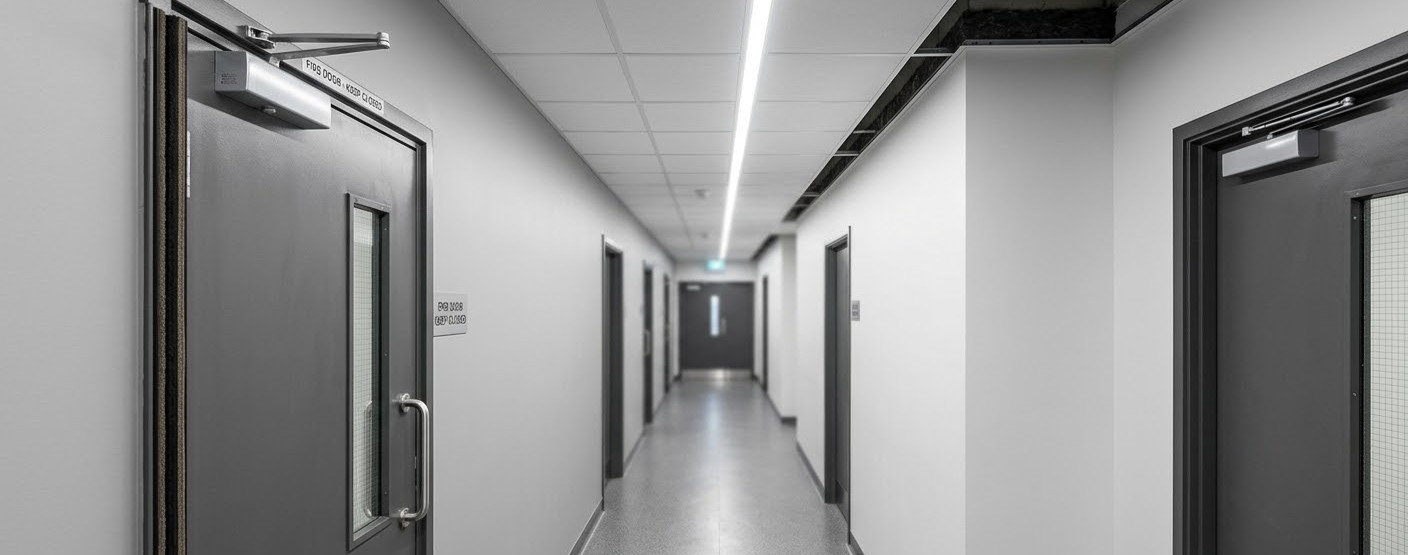
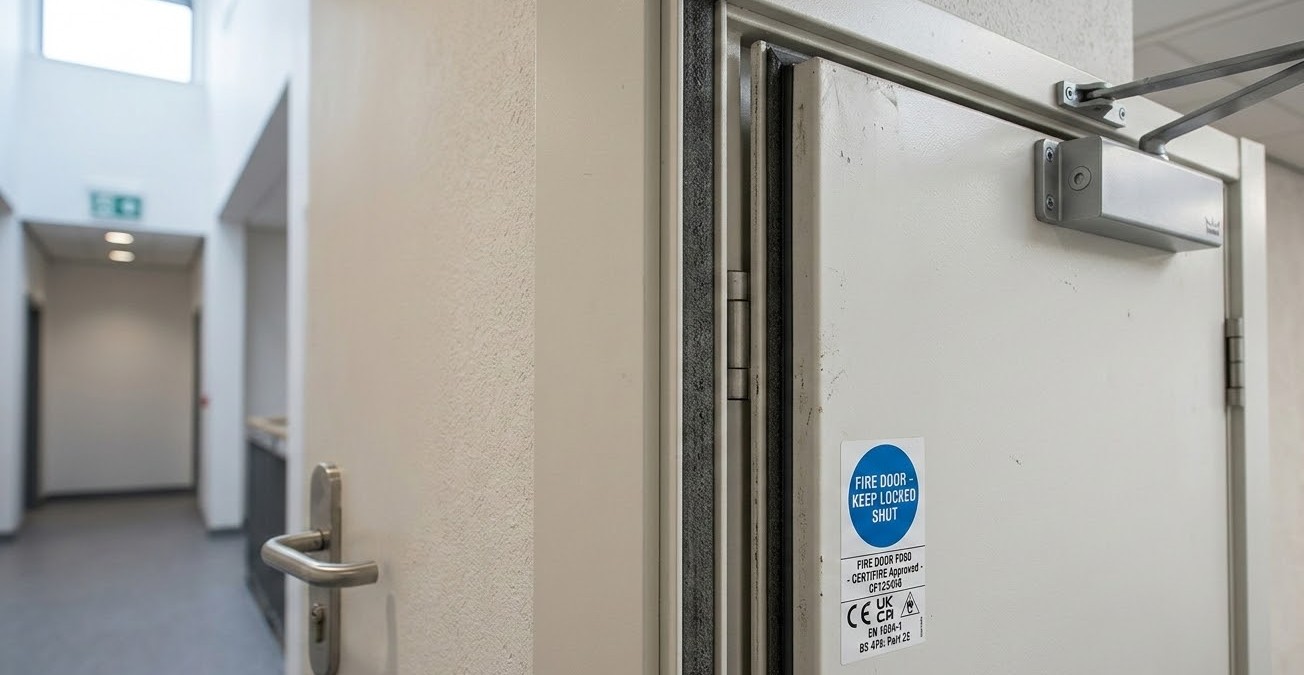
Fire Doors Mandatory in critical locations such as doors leading to communal corridors.
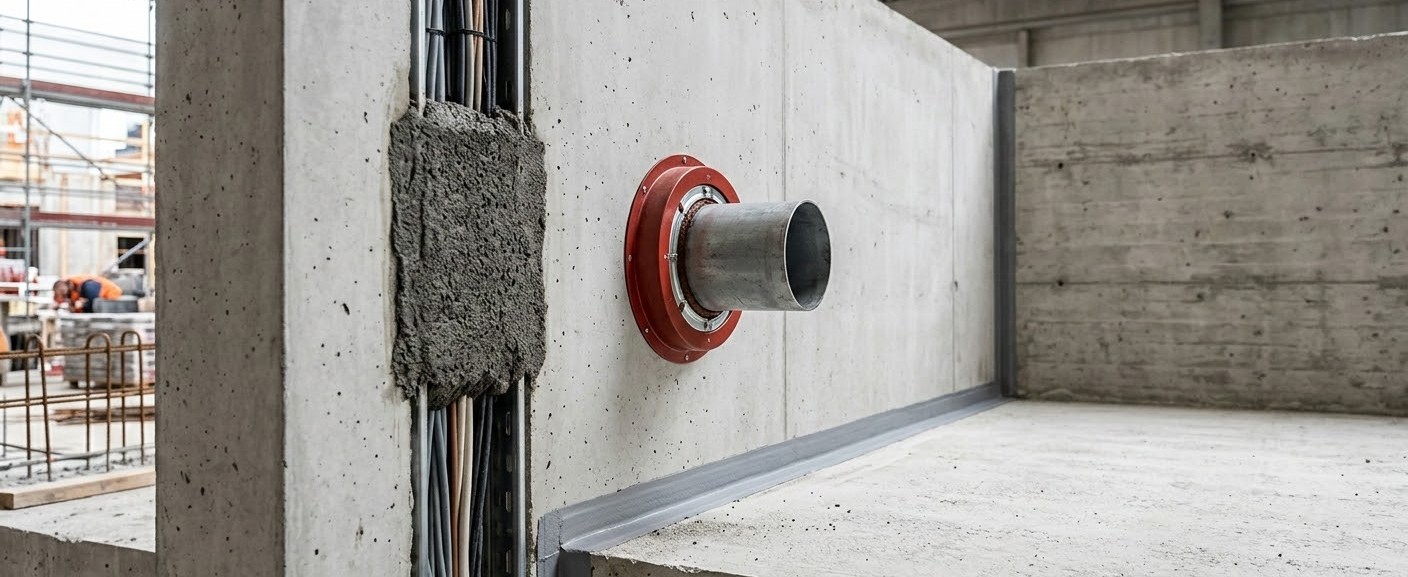
Fire Stopping Sealing gaps around service penetrations including pipes and cables to maintain fire ratings.
Detection Integrated smoke alarms and heat detection systems throughout the property.
Volume 2: Non-Dwellings
Volume 2 covers non-residential buildings and more complex environments, including offices, healthcare facilities, schools, and warehouses.
Zonal Compartmentation Dividing the building into zones to prevent rapid fire spread.
Fire Barriers Hidden barriers within concealed spaces such as suspended ceilings and voids.
Protected Cores Fire-rated stair cores and lift shafts to maintain safe evacuation routes.
Smoke Control Mechanical or natural ventilation to keep escape routes clear during a fire.
Access for Fire Services Specific requirements for vehicle access and firefighting facilities.
Key Regulatory Updates
The fire safety landscape in England is undergoing a phased transition to higher standards. Building owners should be aware of the following.
Mandatory Sprinklers in Care Homes As of March 2025, all new care homes must be fitted with automated sprinkler systems regardless of building height.
Transitioning Testing Standards Reaction to fire classification now commonly follows BS EN 13501. Fire resistance testing under BS 476 and BS EN 1634 remains recognised, with classification provided under BS EN 13501.
The Second Staircase Rule New residential buildings with a top storey of 18 metres or more must now be designed with at least two independent staircases.
Regulation 38 and the Golden Thread There is a strengthened legal obligation to provide as-built fire safety information to the building owner before a project is signed off, ensuring a clear record of all fire safety measures is maintained.
Approved Document B Fire Stopping Requirements
Maintaining compartmentation is the most critical aspect of building maintenance. Fire-rated walls and floors are designed to contain fire, but any gap compromises this protection. Common risk areas include:
- Cable trays and electrical penetrations
- Pipework passing through walls and floors
- Ventilation ducts and dampers
- Structural joints and movement gaps
Many buildings become non-compliant over time due to refurbishments or undocumented service installations. Professional fire stopping installation ensures these breaches are identified and sealed using certified materials before they become a serious risk.
How to Ensure Your Building Complies
Building owners and Responsible Persons should take a proactive approach to fire safety.
Verify Standards Specify materials tested to BS EN 13501 for all new works to ensure compliance.
Review Fire Strategies Ensure your documentation matches the actual building layout.
Inspect Fire Doors Check for gaps, faulty closers, and intact intumescent strips.
Audit Contractor Works Ensure any work that penetrates walls or floors is immediately followed by certified fire stopping installation.
A professional compartmentation survey is the most effective way to identify hidden risks and demonstrate compliance with Approved Document B.
Passive Fire Protection Services from Zyan Fire Protection
We support property owners, developers, and facilities managers with certified passive fire protection services that align with current UK fire safety guidance.
Our services include:
- Fire stopping installation and upgrades
- Fire barriers and cavity protection
- Compartmentation surveys
- Fire door inspections and remedial works
- Remedial works and compliance improvements
- Certification and documentation support
We work with developers, contractors, housing associations, and building owners across London to ensure buildings remain compliant, protected, and safe.
Frequently Asked Questions
What is Approved Document B?
Approved Document B is the official technical guidance supporting Part B of the Building Regulations in England. It sets out how buildings must be designed and constructed to meet fire safety requirements.
Is Approved Document B a legal requirement?
It is not law itself, but following Approved Document B is the standard way to demonstrate compliance with Building Regulations. Non-compliance can result in enforcement action and legal liability.
What is a compartmentation survey?
A compartmentation survey assesses whether your building’s fire barriers, fire stopping, and fire doors are intact and compliant. It identifies breaches and provides clear recommendations for remedial action.
Who needs to comply with Approved Document B?
Building owners, developers, principal contractors, and Responsible Persons all have obligations to ensure buildings are designed and built in line with Approved Document B guidance.
Book a Compartmentation Survey Today
If you are unsure whether your building meets current fire safety guidance, a professional assessment can provide clarity and peace of mind. Our team identifies gaps, damaged fire stopping, and compliance risks with clear recommendations for remedial action.