Fire safety is a vital consideration for any building owner or facilities manager. Ensuring your property meets UK safety regulations not only protects lives but also maintains compliance with Building Regulations. Two essential elements of fire safety management are fire risk assessments and compartmentation surveys.
While they may appear similar, each serves a distinct purpose in maintaining a safe environment. Understanding the differences can help you take the right steps to safeguard your property and occupants.
What Is a Fire Risk Assessment?
A fire risk assessment is a systematic evaluation of a building to identify fire hazards, assess risks to occupants, and determine the necessary preventive measures. Conducted in line with the Regulatory Reform (Fire Safety) Order 2005, a fire risk assessment focuses on evaluating potential sources of ignition, fuel, and oxygen within a building.
Key components of a fire risk assessment include:
- Identifying fire hazards and combustible materials
- Assessing the likelihood of a fire occurring and its potential impact
- Determining the adequacy of existing fire safety measures, including alarms, extinguishers, and evacuation routes
- Recommending actions to reduce risks and ensure compliance
Fire risk assessments are typically carried out by trained personnel and are a legal requirement for all non-domestic buildings in the UK. They are designed to inform building owners and managers of the steps needed to maintain fire safety compliance and protect occupants.
What Is a Compartmentation Survey?
A compartmentation survey, sometimes referred to as a fire compartmentation survey, is a more technical assessment that focuses specifically on the passive fire protection measures within a building. Passive fire protection refers to the structural elements that prevent the spread of fire and smoke, such as fire-resistant walls, floors, ceilings, fire doors, and barriers.
The purpose of a compartmentation survey is to ensure that these barriers are intact and functioning correctly, maintaining fire compartmentation. Proper compartmentation is critical to:
- Contain fire and smoke within designated areas
- Protect escape routes for occupants
- Minimise damage to the building and contents
- Comply with fire strategy requirements and UK Building Regulations
A compartmentation survey typically involves a detailed inspection of:
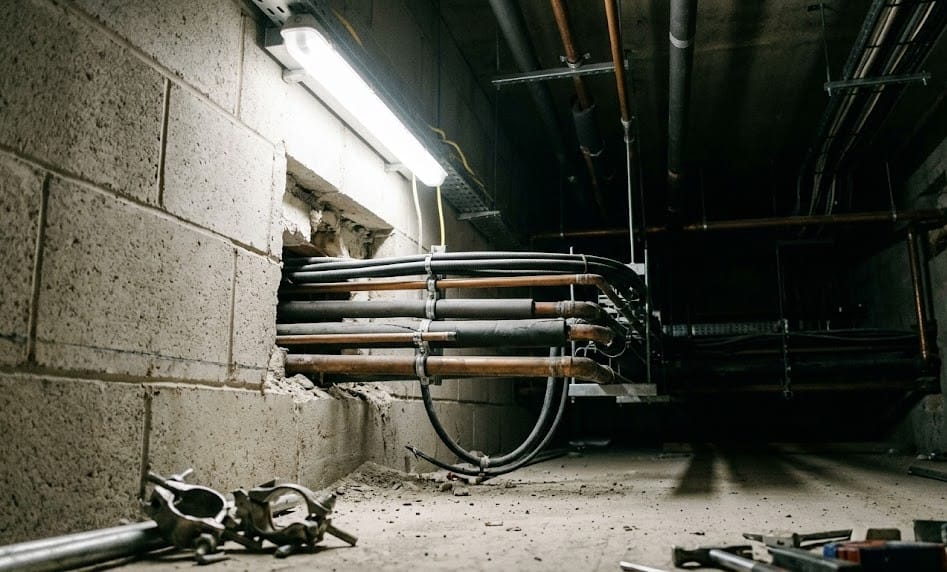
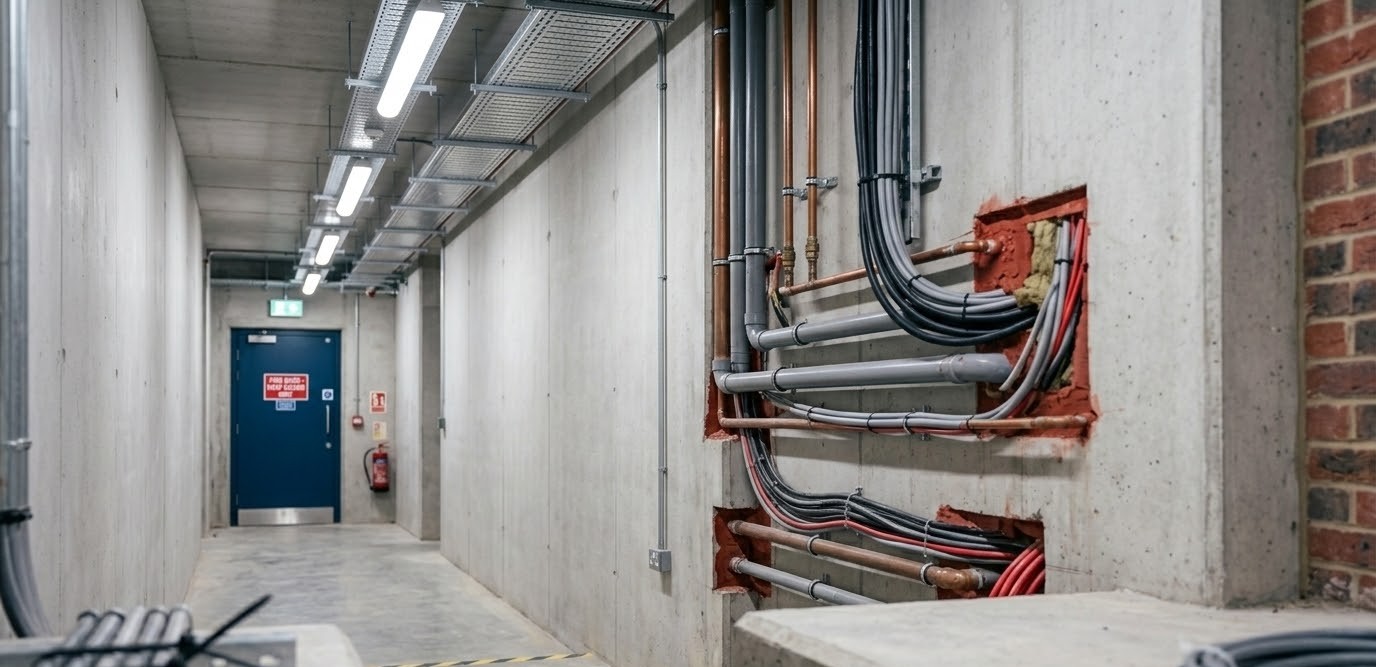
- Fire-stopping around service penetrations such as cables, pipes, and ducts
- Linear joint and gap sealing in walls and floors
- Fire doors and barriers, including slab edges and cavity barriers
- Any breaches, damage, or non-compliant installations that could compromise fire containment
Unlike a fire risk assessment, which identifies hazards and recommends broad safety measures, a compartmentation survey evaluates the effectiveness of specific structural elements designed to prevent fire spread.
Key Differences Between Fire Risk Assessments and Compartmentation Surveys
While both processes are critical to fire safety compliance, they address different aspects of fire safety:
| Aspect | Fire Risk Assessment | Compartmentation Survey |
| Focus | Identifies fire hazards and risks to occupants | Examines structural fire containment measures |
| Scope | Broad overview of safety measures | Detailed inspection of fire barriers, doors, and penetrations |
| Legal Requirement | Mandatory for all non-domestic buildings | Recommended as part of building maintenance and compliance audits |
| Outcome | Recommendations to reduce fire risks and enhance safety | Reports and remediation plans to restore or maintain compartmentation integrity |
Understanding these differences helps building managers prioritise interventions. A fire risk assessment may identify general fire hazards, but only a compartmentation survey can confirm whether the passive fire protection systems in place will contain a fire and prevent smoke spread.
Why Regular Compartmentation Surveys Matter
Conducting routine compartmentation surveys ensures that fire-stopping systems remain effective over time. Buildings undergo modifications, refurbishments, and daily wear, which can compromise passive fire protection. Failing to maintain proper compartmentation can increase fire risk and lead to non-compliance with building regulations.
Benefits of regular compartmentation surveys include:
- Early identification of gaps or breaches in fire barriers
- Assurance that fire doors, sealants, and barriers meet regulatory standards
- Protection of occupants and property in case of a fire
- Full documentation to support compliance audits and insurance requirements
At Zyan Fire Protection, our certified team provides comprehensive fire compartmentation surveys tailored to both residential and commercial buildings. We offer clear reporting, practical remediation recommendations, and ongoing support to ensure your building remains fully compliant.
Why Choose Zyan Fire Protection for Fire Compartmentation Surveys
Zyan Fire Protection combines technical expertise with an approachable, professional service. Our team holds BM Trada certification and has extensive experience in passive fire protection. Choosing Zyan means you benefit from:
- Certified and experienced contractors who understand fire safety regulations inside out
- Independent, impartial advice with no manufacturer bias
- Full documentation including detailed reports, certificates, and annotated plans
- End-to-end service from initial survey to installation, maintenance, and remedial works
- UK-wide coverage with fast turnaround times, ensuring minimal disruption
We prioritise protecting lives and property while maintaining fire safety compliance, positioning ourselves as a trusted partner for all fire safety needs.
Conclusion
Fire risk assessments and compartmentation surveys are complementary elements of a robust fire safety strategy. A fire risk assessment identifies potential hazards and recommends preventive measures, while a compartmentation survey ensures that passive fire protection systems, such as fire barriers and doors, are intact and effective.
Regularly conducting both helps building owners comply with UK regulations, minimise risk, and protect occupants.
For building managers, developers, and housing associations, partnering with a trusted provider like Zyan Fire Protection ensures that both assessments are carried out thoroughly, professionally, and in line with regulatory standards.
FAQs
What is the difference between a fire risk assessment and a fire compartmentation survey?
A fire risk assessment identifies potential fire hazards and risks to occupants, whereas a fire compartmentation survey focuses on evaluating the integrity of passive fire protection systems like fire doors, barriers, and sealants.
How often should a compartmentation survey be conducted?
Compartmentation surveys should be carried out whenever there are significant building changes, after refurbishment, or at regular intervals recommended by fire safety professionals to maintain compliance and effective fire containment.
Do compartmentation surveys contribute to fire safety compliance?
Yes. A fire compartmentation survey helps ensure that all fire barriers, doors, and fire-stopping measures are functioning correctly, supporting compliance with Building Regulations and fire strategy requirements.
Ensure your building is fully protected and compliant with UK fire safety regulations.
Book a free site survey or consultation with Zyan Fire Protection today and let our certified team provide expert fire compartmentation surveys and professional guidance tailored to your property.