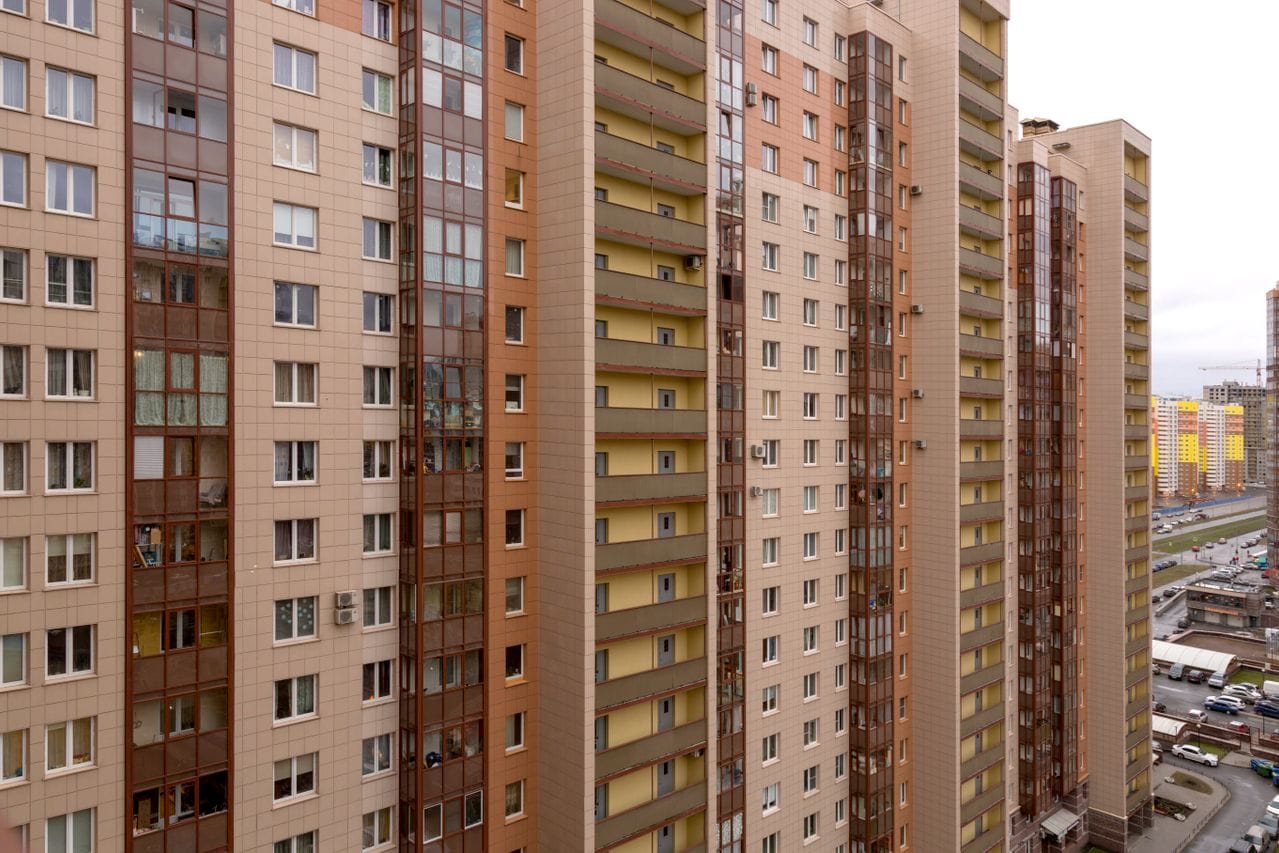
Social housing providers have a vital responsibility to keep residents safe while ensuring buildings comply with current fire safety regulations. Following increased scrutiny of residential fire safety in recent years, housing associations, local authorities, and property managers are under greater pressure to demonstrate that their buildings meet the required standards.
One of the most important aspects of building safety is ensuring that fire and smoke cannot spread rapidly through a property. This is where effective fire stopping solutions play a critical role.
In this guide, we’ll explain what fire stopping is, why it matters in social housing, and how a proactive approach can help protect residents, reduce risk, and support long-term compliance.
Why Fire Safety Is Essential in Social Housing
Social housing developments often accommodate large numbers of residents, including vulnerable individuals who may require additional support during an emergency. In multi-occupancy buildings, fire can spread quickly if protective measures are missing, damaged, or incorrectly installed.
Property owners and managers must comply with various fire safety obligations, including requirements under the Regulatory Reform (Fire Safety) Order and Building Regulations Part B. These regulations are designed to ensure buildings provide suitable protection and safe evacuation routes.
Achieving compliance is not simply about meeting legal obligations. It is about safeguarding lives, protecting property, and maintaining confidence among residents.
What Is Fire Stopping?
Fire stopping is the process of sealing gaps, joints, and service penetrations within fire-rated walls, floors, and ceilings. These openings are commonly created when electrical cables, pipework, ductwork, or other services pass through compartment walls.
Without appropriate protection, these gaps can allow fire and smoke to travel rapidly throughout a building.
Professional fire stopping solutions restore the fire resistance of building elements and help maintain the integrity of the structure during a fire.
Common fire stopping systems include:
- Intumescent sealants
- Fire-resistant mortars
- Fire collars and wraps
- Fire-rated boards
- Linear joint sealing systems
Each solution must be selected and installed according to the specific building design, fire strategy, and manufacturer guidance.
The Importance of Fire Compartmentation in Social Housing
A key principle of building safety is fire compartmentation. This involves dividing a building into separate fire-resistant sections designed to contain fire and smoke for a specified period.
Effective compartmentation helps to:
- Slow the spread of fire
- Protect escape routes
- Provide additional evacuation time
- Limit damage to property
- Support firefighter access and operations
In social housing blocks, compartmentation is particularly important because multiple households share the same structure. Any breach in walls, floors, risers, service cupboards, or ceiling voids can compromise the building’s overall fire performance.
Regular inspections can identify defects before they become significant safety concerns.
Common Fire Safety Issues Found in Social Housing
Many housing providers inherit buildings that have undergone years of refurbishment, maintenance, and service upgrades. Unfortunately, these works can sometimes leave fire protection measures incomplete or damaged.
Some of the most common issues include:
- Unsealed cable and pipe penetrations
- Damaged fire barriers
- Missing cavity barriers
- Inadequate sealing around service risers
- Poorly maintained fire doors
- Historic installations that no longer meet current standards
These defects may not always be visible during routine inspections, which is why specialist surveys are often required.
How Passive Fire Protection Supports Compliance
Unlike active systems such as alarms and sprinklers, passive fire protection is built into the fabric of the building. It works continuously without requiring activation during an emergency.
Key elements include:
- Fire stopping systems
- Fire barriers
- Fire-resistant walls and floors
- Fire doors
- Cavity barriers
Together, these measures help contain fire at its source and support the building’s overall fire strategy.
For housing associations and local authorities, maintaining passive fire protection is an essential part of demonstrating compliance with current legislation and fire risk assessment recommendations.
The Role of Surveys and Remedial Works
Many social housing providers begin by commissioning a compartmentation survey. These inspections assess whether existing fire-resistant elements remain effective and identify areas requiring attention.
A professional survey can help:
- Locate hidden breaches
- Assess the condition of existing installations
- Prioritise remedial works
- Support compliance documentation
- Provide evidence for audits and inspections
Where deficiencies are identified, remedial works should be completed using certified materials and competent installers.
Timely action not only improves safety but can also prevent more extensive and costly upgrades in the future.
Why Choose Zyan Fire Protection?
When managing social housing, choosing the right contractor is just as important as selecting the right products.
At Zyan Fire Protection, we specialise in helping housing providers maintain safe, compliant buildings through expertly delivered fire stopping solutions and related services.
Our approach is built around:
- Certified and experienced passive fire protection specialists
- Detailed compartmentation surveys
- Fully compliant installations
- Clear documentation and reporting
- Practical advice tailored to your building
- Minimal disruption to residents during works
As an independent contractor, we focus on what is right for your building rather than promoting specific manufacturers or products. We work closely with housing associations, property managers, and local authorities to provide transparent guidance and dependable support throughout every stage of a project.
Our goal is simple: to help create safer homes while ensuring compliance remains straightforward and manageable.
Protecting Residents Through Proactive Fire Safety
Social housing providers face increasing responsibilities when it comes to building safety. Ensuring that compartmentation systems remain effective is a critical part of protecting residents and meeting legal obligations.
By investing in professional inspections, maintaining fire compartmentation, and addressing defects promptly, property managers can significantly reduce risk and improve building resilience.
Working with experienced specialists helps ensure that fire safety measures perform as intended when they are needed most.
Frequently Asked Questions
What are fire stopping solutions used for in social housing?
Fire stopping solutions are used to seal gaps and openings in fire-rated walls and floors. Their purpose is to prevent fire and smoke from spreading between compartments, helping to protect residents and maintain compliance with fire safety regulations.
How often should social housing buildings be inspected for compartmentation issues?
Inspection frequency depends on the building type, age, fire risk assessment findings, and maintenance history. Many housing providers schedule regular surveys alongside broader fire safety reviews to identify any breaches or deterioration.
Is passive fire protection a legal requirement in social housing?
Yes. Building Regulations and fire safety legislation require suitable measures to prevent the spread of fire and smoke within residential buildings. Properly maintained passive fire protection systems form a fundamental part of achieving compliance and protecting occupants.
Book a Free Social Housing Fire Safety Survey
If you are responsible for social housing and want confidence that your building meets current fire safety requirements, Zyan Fire Protection can help.
Our certified team provides surveys, inspections, remedial works, and expert guidance tailored to your property. Contact us today to arrange a free site survey or consultation and take the next step towards safer, fully compliant residential buildings.